
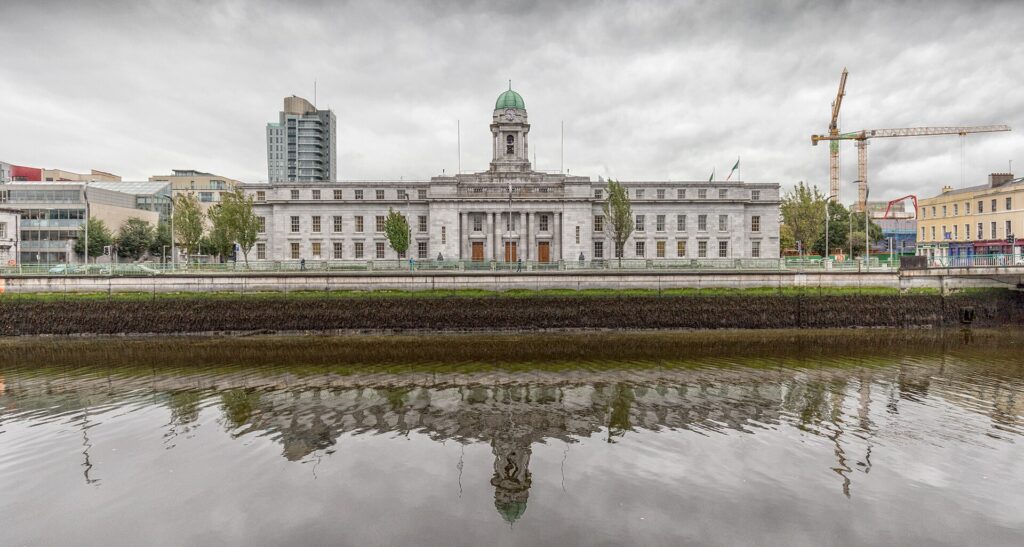
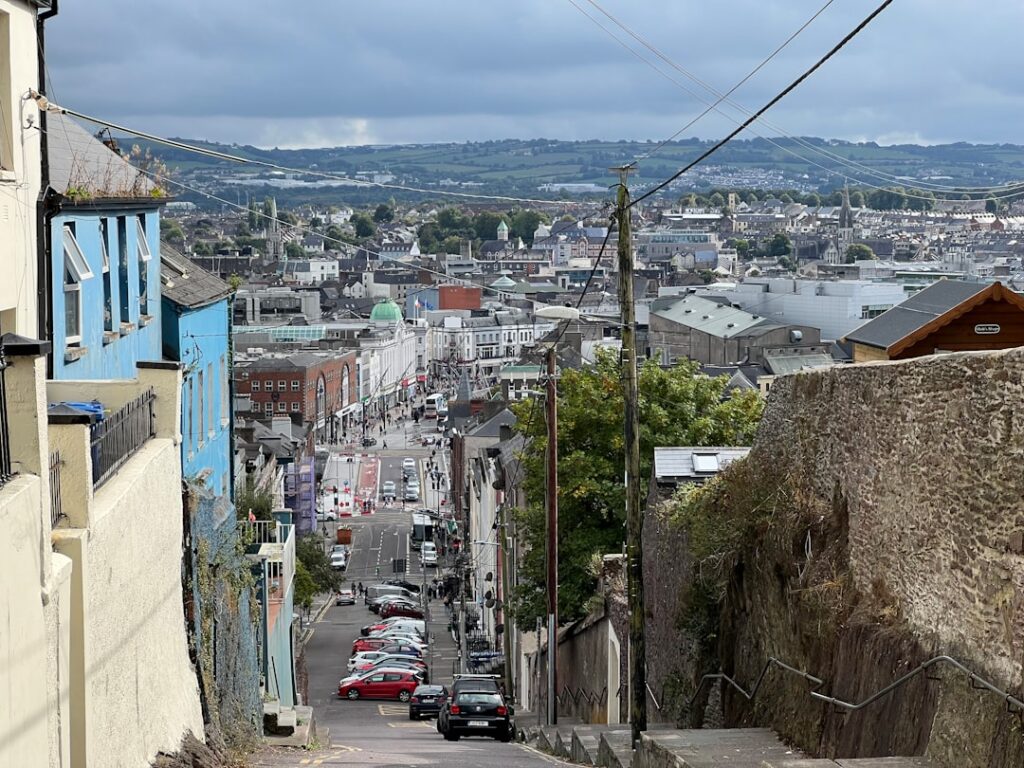
Cork doesn’t try as hard as Dublin or Galway, and that’s exactly why it works. Ireland’s second city sits on the River Lee with a pitch-perfect balance of university energy, working harbor grit, and enough good restaurants that locals actually argue about them. It’s walkable, unpretentious, and full of the kind of places you return to twice in one weekend.
Two days is enough to get a feel for Cork without rushing. You’ll eat well, hear music in a pub that’s been family-run since the 1800s, and understand why people who live here won’t shut up about it.
The English Market and Cork’s Food Scene
Start at the English Market, a covered Victorian market in the city center that’s been operating since 1788. It’s not a tourist attraction pretending to be a market—it’s where locals buy cheese, fish, and vegetables from vendors whose families have held the same stalls for decades.
Stop at the Farmgate Café on the upstairs balcony for breakfast. The menu changes based on what’s downstairs: smoked haddock with poached eggs, black pudding with apple chutney, or their tripe and drisheen if you’re feeling traditional (and brave). Everything comes from the market below.
For lunch, walk to Ichigo Ichie on Sheares Street, Ireland’s first Kaiseki restaurant. Chef Takashi Miyazaki serves an omakase menu that changes daily—expect around $85 to $110 for the full experience. Book ahead; it only seats fourteen.
Dinner options run deep. Paradiso on Lancaster Quay has been Cork’s best vegetarian restaurant since 1993—reservations essential. Elbow Lane Brew and Smoke House does Texas-style barbecue and craft beer in what used to be a Victorian public toilet. And Market Lane on Oliver Plunkett Street serves bistro food that’s reliable, unfussy, and always packed.
Pubs, Music, and Where Locals Actually Drink
Cork’s pub culture skews older, quieter, and less polished than Galway’s—which means it feels more like a pub and less like a venue. Sin É on Coburg Street hosts trad sessions Monday and Wednesday nights, usually starting around 9:30 p.m. It’s tiny, cash-only, and the kind of place where the music happens because someone brought a fiddle, not because it’s on the website.
The Mutton Lane Inn is Cork’s smallest pub—seriously, six people makes it crowded—and has been pouring pints since 1787. No music, no food, just Guinness and conversation with whoever’s squeezed in next to you.
For something younger and louder, try The Franciscan Well Brewery on the north side of the river. They brew on-site, the beer garden fills up on any day above 60 degrees, and you’ll hear everything from folk to indie rock depending on the night.
What Else to Do in Cork
Walk up to St. Anne’s Church in Shandon and ring the bells yourself—seriously. For about $8, you get eight minutes alone in the bell tower with printed instructions for songs like “Danny Boy” and “The Bells of Shandon.” It’s touristy in the best way: goofy, hands-on, and you’ll hear your attempts echo across the north side of the city.
The Crawford Art Gallery on Emmet Place is free and worth an hour. It’s strong on Irish contemporary art and has a café that feels more like a drawing room—high ceilings, natural light, and excellent coffee.
If it’s Saturday, the Coal Quay Market near Cornmarket Street sells vintage clothes, records, and vegetables in roughly equal measure. It’s been running since the 1700s and still has the lived-in chaos of a real city market.
For a half-day trip, take the train to Cobh (pronounced “cove”), about twenty minutes southeast. It’s where the Titanic made its last stop, and the Cobh Heritage Centre tells that story well. The town itself is all pastel rowhouses climbing a hill above the harbor—pretty in an accidental, not-trying way.
Practical Details
Cork is two and a half hours south of Dublin by car via the M7 and M8, or just under three hours by train from Heuston Station. The city center is compact—you can walk from the English Market to the university in twenty minutes.
Stay near St. Patrick’s Street or the South Mall for easy access to restaurants and pubs. The River Lee Hotel has parking and views over the water; the Metropole is right on MacCurtain Street with dozens of restaurants within a five-minute walk.
Cork Airport is six kilometers south of the city if you’re flying in from elsewhere in Europe. Bus Éireann runs a direct shuttle to the city center every thirty minutes for around $8.
Visit between May and September for the best weather, but Cork’s indoor culture—markets, pubs, galleries—makes it a solid rainy-day city year-round.
Want more stories like this delivered to your inbox? Subscribe to The Ultimate Ireland Travel Guide newsletter—one short story a week, all Ireland, no fluff.