
The Burren‘s limestone pavement gets most of the attention, but scattered across this karst landscape are over 500 stone ring forts—locally called cashels. Built between the 5th and 10th centuries, these circular enclosures were once farmsteads, clan strongholds, and markers of wealth. Many are overgrown or barely visible. A handful are extraordinary.
If you’re driving the Burren and want to step into something older than the medieval castles that dominate most itineraries, these are the cashels worth your time.
Caherconnell Stone Fort: The Best Introduction
Caherconnell sits just off the R480 between Kilnaboy and Ballyvaughan, about 20 minutes south of the village of Ballyvaughan. It’s the most accessible and best-interpreted cashel in the Burren, and one of the few you can walk inside with context.
The stone walls are nearly intact—10 feet thick in places—and you can trace the layout of the original enclosure, complete with terraced steps and a souterrain (underground passage). The site includes a small visitor center with exhibits on daily life in Early Christian Ireland, and there’s a sheepdog demonstration most afternoons if you’re traveling with kids.
Entry is around $8. Open daily from March through October, 10 a.m. to 5 p.m. Park at the small lot on-site.
Cathair Dhún Irghuis: The Most Dramatic
This one requires a short walk, but it’s worth it. Cathair Dhún Irghuis—also called the Caherdooneerish Fort—sits on a hilltop northwest of Carran, with views across the Burren’s grey plateau and north toward Galway Bay.
The walls are massive, and the fort is one of the largest in the region. You’ll walk through three concentric rings of stone, each representing a different phase of occupation. The inner enclosure is the oldest, likely dating to the 9th century. Wildflowers grow between the stones in late spring, and on a clear day you can see the Aran Islands from the top.
To reach it, park near the trailhead off the Green Road (a grassy track used by medieval travelers) about 2 miles west of Carran village. The walk is flat and takes about 15 minutes. No fee, no facilities. Bring water and watch your footing on the loose stones.
Ballykinvarga Ring Fort: The Hidden Gem
Most visitors to the Burren never hear about Ballykinvarga, which is exactly why it’s worth seeking out. This cashel sits in a quiet field near the village of Kilnaboy, just a few minutes’ drive from Caherconnell but far quieter.
The stone walls are lower here—time and local farmers have taken their toll—but the layout is clear, and you’ll likely have the place to yourself. The fort sits on private land, but access is traditionally allowed. Park on the roadside near Kilnaboy Church (itself worth a look for its Sheela-na-gig carving) and walk the short distance across the field. Respect the land, close gates behind you, and leave no trace.
What to Know Before You Visit
Most cashels in the Burren are unmarked and unfenced. If you’re exploring beyond Caherconnell, bring a detailed map or use GPS coordinates—mobile signal can be patchy. Wear sturdy shoes; the limestone is slippery when wet, and the ground inside many forts is uneven.
The best time to visit is late spring through early autumn, when daylight is long and the weather is (relatively) cooperative. Early morning is ideal for photography and solitude, especially at the more accessible sites.
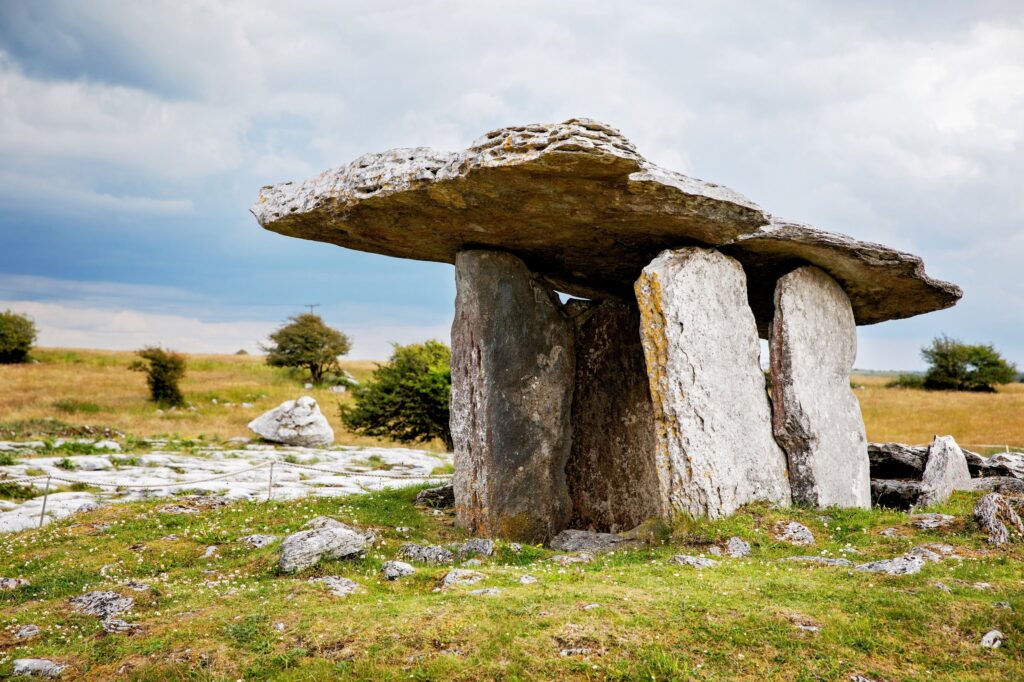
If you’re planning a broader Burren itinerary, combine the cashels with a drive through the region’s green roads, a stop at Poulnabrone Dolmen, and a meal in Ballyvaughan or Lisdoonvarna. Viator offers guided walks that include some of the lesser-known forts and explain the archaeology in detail.
These aren’t the grand castles you’ll see on postcards, but they’re older, quieter, and—if you take the time—just as memorable. The Burren’s stone forts are a reminder that Ireland’s history didn’t begin with the Normans. It began here, in circles of stacked stone on a limestone plateau, centuries before the first tower was ever raised.
Want one short story a day about Ireland’s hidden corners and practical travel tips? Subscribe to The Ultimate Ireland Travel Guide newsletter.
Heads up — some links in this article are affiliate links. If you sign up through them, we may earn a small commission at no extra cost to you. We only recommend tools we use ourselves.