
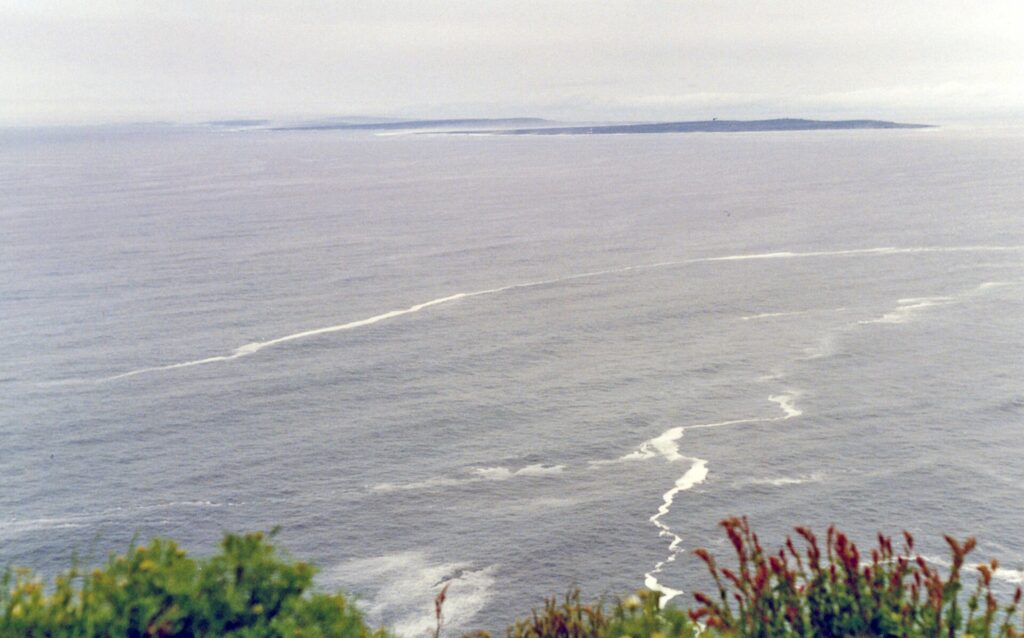
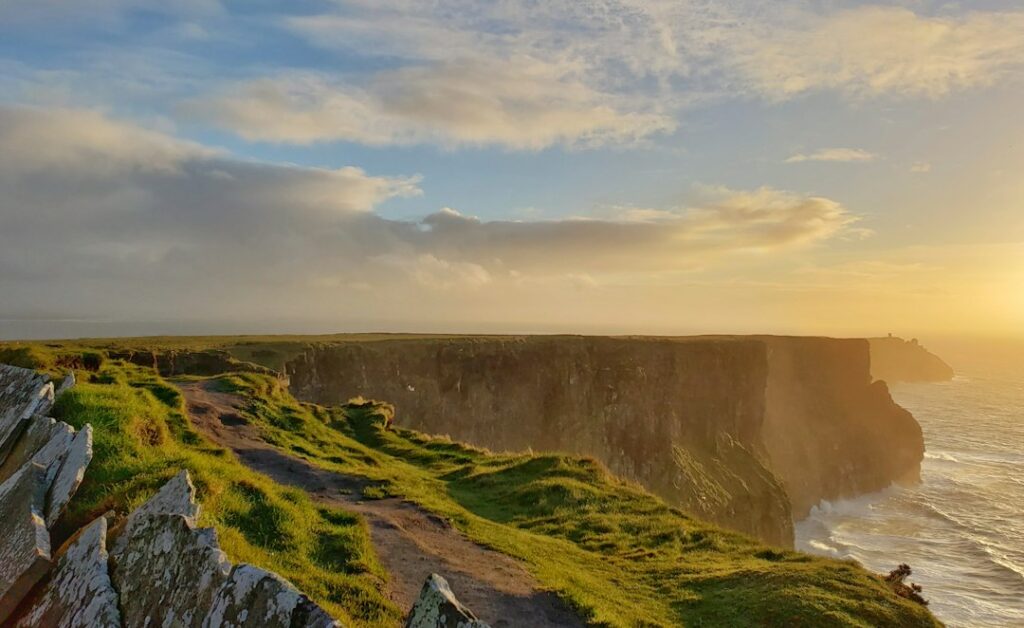
The Aran Islands—Inishmore (Inis Mór), Inishmaan (Inis Meáin), and Inisheer (Inis Oírr)—rise from the Atlantic off County Galway’s coast like granite ships anchored in time. Stone walls divide thousands of tiny fields, Aran sweaters still hang in cottage windows, and Irish remains the first language. These aren’t museum pieces. People farm, fish, and run guesthouses on all three islands, and ferries arrive daily from Rossaveal and Doolin carrying visitors who want Ireland at its most elemental.
Each island has a different character. Inishmore is the largest and busiest, with tour buses and day-trippers. Inishmaan is the quietest, favored by writers and walkers. Inisheer is the smallest, closest to the Cliffs of Moher, and popular with families. You can visit all three, but most travelers pick one and stay overnight to catch the evening light and morning stillness after the ferries leave.
Getting to the Aran Islands
Ferries run year-round from Rossaveal, about 23 miles west of Galway city. Most visitors take a bus from Galway’s tourist office or Eyre Square to meet the ferry—the combined ticket costs around $30 to $35 round-trip to Inishmore, slightly less to Inisheer. The crossing takes 40 minutes. Ferries also leave from Doolin in County Clare, a shorter 30-minute trip to Inisheer and 70 minutes to Inishmore, with stunning views of the Cliffs of Moher en route. Book ahead in summer; walk-ups are usually fine from October through March.
If you’re short on time or prone to seasickness, flights leave from Connemara Airport near Inverin. The eight-minute hop costs around $50 each way and lands on grass runways. It’s a novelty, but the ferry is more atmospheric and far cheaper.
Viator offers guided day trips from Galway that bundle ferry tickets, island transport, and a guide—worth considering if you want logistics handled and only have a few hours.
Inishmore: Forts, Cliffs, and the Tourist Trail
Inishmore is the largest island and home to Dún Aonghasa, the semicircular stone fort perched on a 300-foot cliff edge. It’s one of Ireland’s most dramatic ancient sites, dating back 3,000 years, and the walk along the cliff is exhilarating and unguarded. Arrive early or late to avoid the crowds—midday in summer can feel like a parade.
Most visitors rent bikes ($12 per day) or take a minivan tour ($15) from Kilronan, the island’s main village where the ferry docks. The island is nine miles long, and cycling lets you stop at the smaller forts—Dún Eochla and Dún Eoghanachta—and the Seven Churches monastic site. The Worm Hole, a rectangular natural pool on the southern coast, is worth the detour if you’re on two wheels.
Stay overnight at Kilronan’s guesthouses or Airbnbs to experience the island after day-trippers leave. Tigh Ned pub serves seafood chowder and pints, and Joe Watty’s Bar hosts occasional traditional music sessions. Bring layers and waterproofs—the wind never stops.
Inishmaan and Inisheer: The Quieter Options
Inishmaan is the middle island and the least visited. Playwright J.M. Synge spent summers here in the early 1900s, and his cottage is now a small museum. The island has one shop, one pub, and fewer than 200 residents. Dún Chonchúir, a stone fort in the island’s center, offers 360-degree views of Galway Bay and the Burren. If you want solitude and long walks on empty roads, this is your island.
Inisheer is the smallest and closest to the Clare coast. The shipwreck of the Plassey, rusting on rocks since 1960, is the island’s most photographed sight. O’Brien’s Castle, a 15th-century tower, sits atop a hill with views of the Cliffs of Moher. Inisheer feels less remote than Inishmaan but quieter than Inishmore—a good middle ground for families or first-timers. Tigh Ned (not the same as Inishmore’s pub) serves toasted sandwiches and has traditional music most summer evenings.
What to Bring and When to Go
The islands are exposed. Even in July, bring a windproof jacket, sturdy shoes, and sunscreen—the wind hides the burn. April through June and September offer the best combination of light, fewer crowds, and reasonable ferry schedules. Winter is wild and beautiful, but some guesthouses close and boat crossings can be canceled in rough seas.
If you’re staying overnight, book accommodation ahead—options are limited, especially on Inishmaan and Inisheer. Bring cash; not all shops and pubs take cards, and there are no ATMs on the smaller islands. If you’re cycling, pack snacks and water. The islands have small shops, but they close early and don’t stock much beyond basics.
The Aran Islands aren’t for everyone. There are no sandy beaches, no golf courses, no spas. What they offer is stone, wind, and the kind of quiet that makes you notice the sound of waves a mile inland. If that sounds like your kind of Ireland, book the ferry.
Want more stories like this? Subscribe to The Ultimate Ireland Travel Guide newsletter—one short story a day, straight to your inbox.
Heads up — some links in this article are affiliate links. If you sign up through them, we may earn a small commission at no extra cost to you. We only recommend tools we use ourselves.