
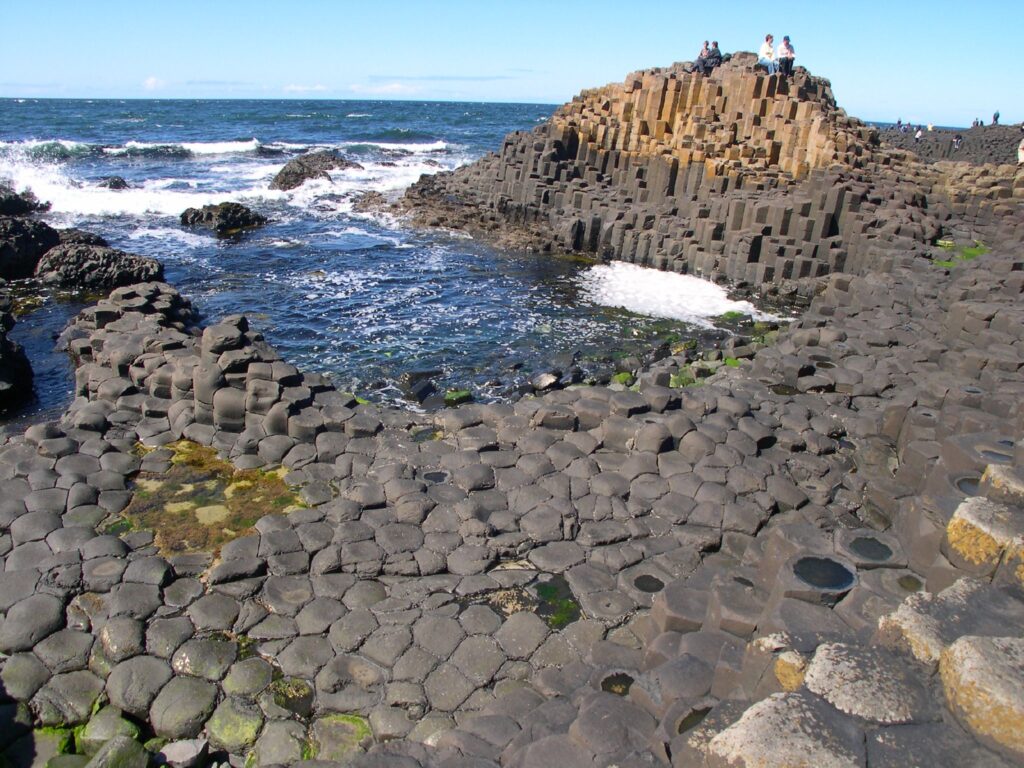
The Giant‘s Causeway is Northern Ireland’s only UNESCO World Heritage Site, and for good reason. Forty thousand interlocking basalt columns rise from the sea like a staircase built for gods—or, according to legend, the giant Finn McCool. It’s one of Ireland’s most famous landmarks, which means it draws serious crowds. But visit at the right time and walk beyond the main viewing area, and you’ll find drama, silence, and one of the finest coastal hikes on the island.
Here’s how to visit the Giant’s Causeway without fighting for elbow room, and what to do once you’re there.
When to Visit and How to Beat the Crowds
The Causeway sits on the north coast of County Antrim, about 60 miles north of Belfast and three miles north of the town of Bushmills. Summer brings tour buses by the dozen, especially between 11 a.m. and 3 p.m. If you arrive mid-morning in July, expect to share the hexagonal stones with hundreds of others.
The best strategy: arrive before 9 a.m. or after 5 p.m. The visitor center opens at 9 a.m. year-round, but the site itself is accessible 24 hours a day. Park at the official lot (around $15 USD) and walk the paved path down to the stones—it’s about half a mile, gently downhill. A shuttle bus runs for those who need it, but most visitors walk.
Winter and early spring are quieter, and the Causeway looks especially moody under gray skies and crashing waves. Just dress for wind and rain.
Walking the Causeway Coast Path
Most visitors snap their photos at the Grand Causeway—the main cluster of columns—and turn back. Don’t. The Causeway Coast Path continues east and west, hugging the cliffs and offering some of the most dramatic coastal scenery in Ireland.
The red trail heads west toward Port Noffer and the Giant’s Boot, a rock formation that looks uncannily like a fossilized shoe. It’s a moderate walk, about 30 minutes round trip from the main stones, and you’ll leave most of the crowds behind within five minutes.
The blue trail climbs east over the headland toward the clifftop ruins of Dunseverick Castle, about five miles away. This is a spectacular walk, with views back toward the Causeway, across to Scotland on clear days, and along the jagged Antrim coast. You don’t have to walk the whole way—even 20 minutes out and back gives you sweeping views and near-solitude.
Wear sturdy shoes. The stones are slippery when wet, and the coastal path can be uneven and exposed.
What Else to See Nearby
The Causeway sits on the Causeway Coastal Route, one of the world’s great coastal drives. If you’re driving from Belfast, you’ll pass through the Glens of Antrim—nine lush valleys that cut down to the sea. Stop in the village of Cushendun, where stone cottages face a quiet beach.
Three miles south of the Causeway, the Bushmills Distillery has been making whiskey since 1608. Tours run daily and end with a tasting (around $18 USD). It’s the oldest licensed distillery in Ireland, and the single malt is worth trying.
Five miles east, the Carrick-a-Rede Rope Bridge sways 100 feet above the ocean, connecting the mainland to a tiny island. It’s a white-knuckle crossing for some, but the views are stunning. Book ahead in summer—tickets sell out.
And if you’re staying overnight, the Dark Hedges—a tunnel of beech trees made famous by film and television—is about 20 minutes inland. It’s best photographed early in the morning before the tour buses arrive.
Where to Stay and Practical Tips
Bushmills and the larger town of Portrush (six miles west) both make good bases. Portrush has more hotels, pubs, and restaurants; Bushmills is quieter and closer to the stones. Both are walkable, with good seafood and traditional music most nights in summer.
If you’re driving, the Causeway is about 90 minutes from Belfast via the M2 and A26. Parking at the official lot is the easiest option—street parking nearby is limited and often restricted. The visitor center has restrooms, a café, and an exhibition on the geology and folklore of the site, but you can skip it and head straight for the stones if you’re short on time.
Viator offers guided day trips from Belfast and Dublin that combine the Causeway with stops along the coastal route, including the rope bridge and Dark Hedges—useful if you’d rather not drive on the left.
The Causeway is exposed. Bring layers, a waterproof jacket, and sunglasses even on overcast days—the wind off the Atlantic is relentless, and the light can be blinding when it breaks through the clouds.
Want one short story a day about Ireland’s hidden corners, best towns, and the roads worth taking? Subscribe to The Ultimate Ireland Travel Guide newsletter.
Heads up — some links in this article are affiliate links. If you sign up through them, we may earn a small commission at no extra cost to you. We only recommend tools we use ourselves.