
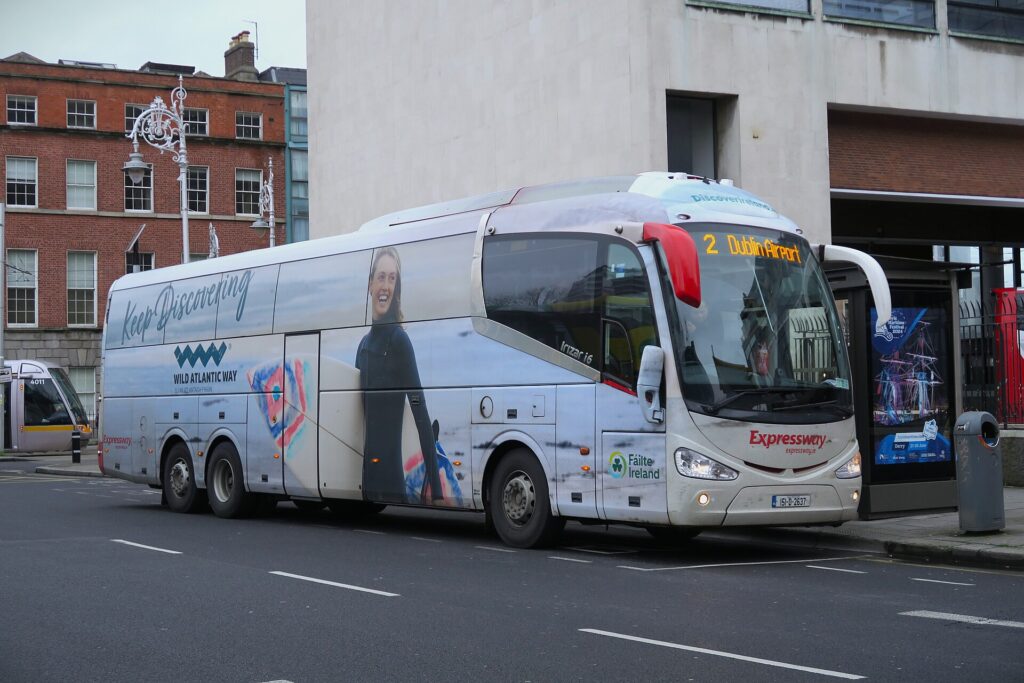
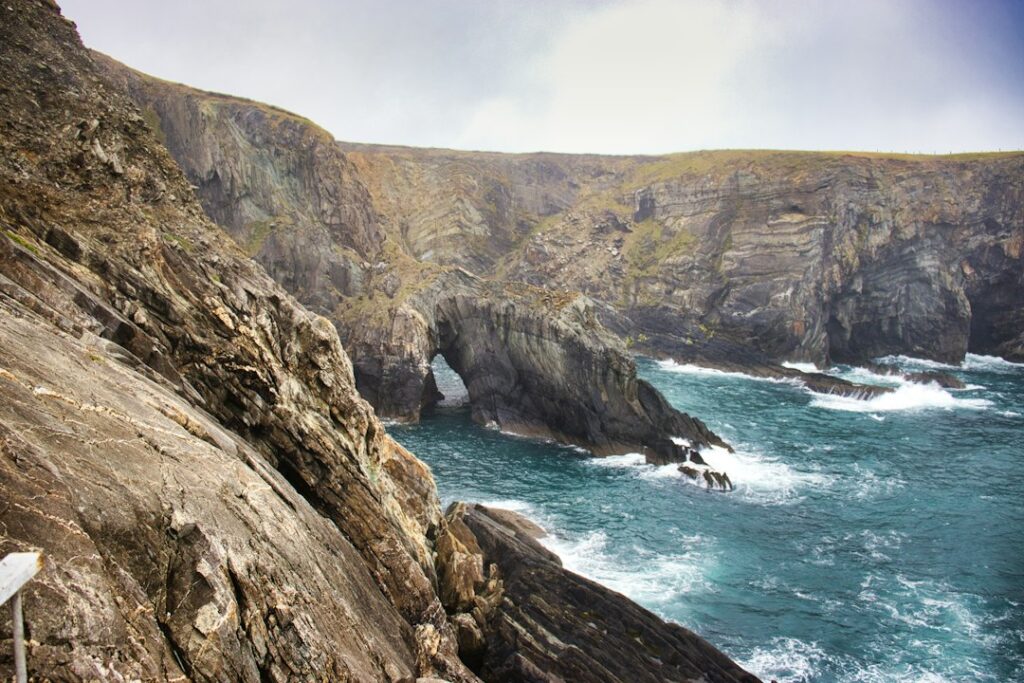
The Wild Atlantic Way is the longest defined coastal touring route in the world, running 1,600 miles from Kinsale in County Cork to Malin Head in County Donegal. You won’t drive it all in one trip—and you shouldn’t try. Instead, pick a section or two that match your interests, whether that’s dramatic clifftops, fishing villages, ancient ruins, or empty beaches that feel like the edge of the world.
The route is divided into five official regions, each with its own character. Here’s what to know about the highlights worth your time, and how to approach them without burning out behind the wheel.
The Northern Headlands: Donegal’s Untamed Coast
The northernmost stretch from Malin Head down to Sligo is wild, remote, and sparsely populated. Malin Head itself—Ireland’s most northerly point—offers sweeping Atlantic views and the kind of solitude that’s hard to find further south. The cliffs at Slieve League tower over 1,900 feet above the sea, higher than the Cliffs of Moher and far less crowded.
Stop in Donegal Town for provisions and a night in a proper bed, then push west to Glencolmcille, a Gaeltacht village tucked into a valley where Irish is still the first language. The drive along the coast between Ardara and Glenties threads through bogland and stone-walled fields with views that shift from bleak to breathtaking in the space of a few minutes.
Allow at least three days for this section if you want to do more than just tick boxes. The roads are narrow, the distances deceptive, and the temptation to pull over constant.
Connemara and Galway Bay: Mountains Meet the Sea
South of Sligo, the Wild Atlantic Way cuts through Connemara, where the Twelve Bens mountain range rises inland and the coastline fractures into islands, inlets, and sheltered bays. The Sky Road loop west of Clifden is essential—a narrow, twisting route with postcard views over Clifden Bay and the Atlantic beyond.
Kylemore Abbey sits just off the route near the base of the mountains, worth a stop for the Gothic castle and Victorian walled gardens. Further south, the fishing village of Roundstone is perfect for lunch—McDonagh’s serves excellent seafood chowder and brown bread.
Galway City marks the midpoint of the route and a natural place to pause, restock, and hear live traditional music. From there, the coast road south toward the Burren offers a completely different landscape: limestone pavement, wildflowers, and ancient dolmens scattered across a lunar-like terrain.
Clare and Kerry: The Postcard Stretch
This is the section most visitors prioritize, and for good reason. The Cliffs of Moher are the most visited natural attraction in Ireland, rising 700 feet straight out of the Atlantic. Arrive early—before 9 a.m. if possible—to beat the tour buses. The cliff-edge walk north toward Hag’s Head is quieter and just as dramatic.
Loop Ferry crosses the Shannon Estuary from Killimer in Clare to Tarbert in Kerry, saving you a two-hour inland detour. Once in Kerry, the coast road through Listowel and Tralee leads to the Dingle Peninsula and Slea Head Drive, one of the most beautiful loops in Ireland. Stop at Dunquin Pier, where currachs once ferried islanders to the Blaskets, and grab fish and chowder at the pier café.
The Ring of Kerry is next, a 110-mile loop that circles the Iveragh Peninsula. Drive it counterclockwise to follow the tour-bus flow, or go clockwise if you prefer oncoming traffic to tailgaters. Ladies View, near Killarney, offers sweeping views over the Lakes of Killarney and the mountains beyond.
West Cork: Harbors, Islands, and the Quiet End
The southernmost section of the Wild Atlantic Way runs from Kenmare through the Beara Peninsula and down to Kinsale. This is quieter Kerry: fewer crowds, smaller roads, and harbor towns like Bantry and Schull that move at their own pace.
The Beara Peninsula is less famous than its northern neighbors but equally beautiful, with the Healy Pass offering mountain views and the cable car to Dursey Island providing access to one of Ireland’s most remote outposts. Sheep outnumber people on Dursey, and the six-person cable car is the only way on or off.
Kinsale, the official southern terminus, is a colorful Georgian harbor town known for gourmet restaurants and sailing. It’s a gentle place to finish—or start—a journey that can feel, at times, like the edge of everything.
Practical Tips for Driving the Wild Atlantic Way
Rent a car with good clearance and strong brakes. The roads are narrow, winding, and steep in places, and you’ll spend more time in second gear than you expect. Fill up on fuel whenever you see a station—they’re sparse in Donegal and West Cork.
Book accommodations ahead, especially between May and September. B&Bs and guesthouses fill quickly along the popular sections, and showing up without a reservation in Dingle or Doolin can mean a long drive to the next town.
Don’t try to do it all. Pick two or three regions and give yourself time to stop, walk, and breathe. The Wild Atlantic Way rewards slow travel, not box-ticking. A week will cover one or two regions comfortably; ten days to two weeks opens up the full arc from Cork to Donegal.
Tours through Viator offer guided day trips along specific sections if you’d rather leave the driving to someone else, particularly useful for the Cliffs of Moher and Ring of Kerry loops.
Want more stories like this delivered to your inbox? Subscribe to The Ultimate Ireland Travel Guide newsletter—one short story a day, all Ireland, all year.
Heads up — some links in this article are affiliate links. If you sign up through them, we may earn a small commission at no extra cost to you. We only recommend tools we use ourselves.