
Kilmainham Gaol stands as one of Dublin‘s most moving and essential heritage sites. This former prison, which held everyone from common criminals to revolutionary leaders between 1796 and 1924, offers an unflinching look at Irish history through the eyes of those who lived—and often died—within its limestone walls.
A visit here isn’t lighthearted, but it’s necessary. The guided tour walks you through the East Wing’s Victorian corridors, the stark cells, and the stone-breaking yard where leaders of the 1916 Rising faced execution. You’ll leave with a deeper understanding of Ireland’s path to independence and the human cost of that struggle.
Planning Your Visit
Kilmainham Gaol is located about two miles west of Dublin’s city center in the Kilmainham neighborhood, easily reached by bus (routes 13, 40, and 69) or a 15-minute taxi ride from Temple Bar. If you’re walking from the center, it takes roughly 35 to 40 minutes along the south quays.
Entry is by guided tour only, and tickets must be booked in advance through the Office of Public Works website. Tours run throughout the day and last approximately one hour. Tickets cost around $10 for adults, with reduced rates for seniors, students, and families. The site is often fully booked days or even weeks ahead during summer and around Easter, so reserve as early as possible.
The gaol is closed Mondays from November through February, and it closes for a few weeks around Christmas. Check the current schedule before making plans.
What You’ll See on the Tour
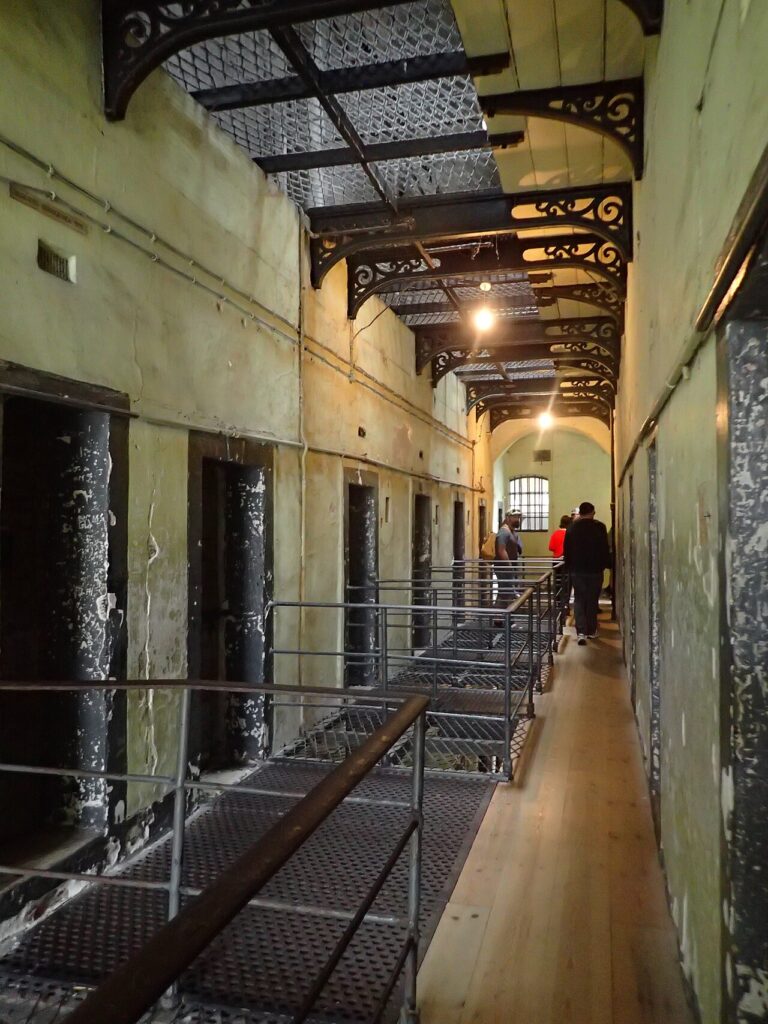
Your guide leads you through the prison chronologically, starting with the earliest cells and moving toward the more recent wings. The East Wing, completed in 1862, is the architectural centerpiece—a soaring Victorian hall with iron walkways and rows of cell doors stacked four stories high. The design was progressive for its time, allowing a single guard to observe hundreds of prisoners from the central floor.
You’ll step inside cramped cells where men, women, and children were held, sometimes in complete darkness. The guides share stories of individual prisoners: political leaders like Charles Stewart Parnell and Éamon de Valera, labor organizers, suffragettes, and children as young as seven imprisoned for petty theft.
The most sobering part of the tour is the stone-breaking yard, where fourteen leaders of the 1916 Easter Rising were executed by firing squad over ten days in May 1916. The guide explains how these executions shifted public opinion and galvanized support for Irish independence. You’ll also see the spot where Joseph Plunkett married Grace Gifford in the prison chapel just hours before his execution.
After the Tour
The tour concludes in the museum, where you’re free to explore at your own pace. Exhibits include original letters written by prisoners, personal belongings, photographs, and historical documents. There’s a small café and gift shop on-site, though neither is essential.
The surrounding area offers a few other points of interest. The Irish Museum of Modern Art, housed in the elegant Royal Hospital Kilmainham, is a ten-minute walk away and worth combining with your gaol visit. The historic War Memorial Gardens, designed by Sir Edwin Lutyens, lie just beyond along the River Liffey and provide a peaceful place to reflect after the intensity of the prison.
Practical Tips
Arrive at least ten minutes before your tour time—late arrivals are not admitted, and tickets are non-refundable. Photography is allowed in most areas but prohibited in certain cells and the execution yard out of respect.
The gaol is cold year-round, even in summer, so bring a jacket or sweater. Much of the tour involves standing and walking on stone floors, so wear comfortable shoes. The site is partially accessible for wheelchair users, though some areas involve stairs. Contact the site in advance if you have specific accessibility needs.
While Viator and other tour companies offer combined tickets that include Kilmainham Gaol alongside other Dublin attractions, booking directly through the Office of Public Works is usually the most straightforward option for independent travelers.
Allow about 90 minutes total for your visit—one hour for the guided tour and another 30 minutes to explore the museum. If you’re particularly interested in Irish history, you could easily spend two hours here.
Kilmainham Gaol isn’t an easy visit, but it’s one of the most important things you can do in Dublin. The stories told within these walls illuminate the struggle, sacrifice, and resilience that shaped modern Ireland.
Want more stories like this delivered to your inbox? Subscribe to The Ultimate Ireland Travel Guide newsletter—one short story a day to help you discover Ireland beyond the guidebooks.
Heads up — some links in this article are affiliate links. If you sign up through them, we may earn a small commission at no extra cost to you. We only recommend tools we use ourselves.