
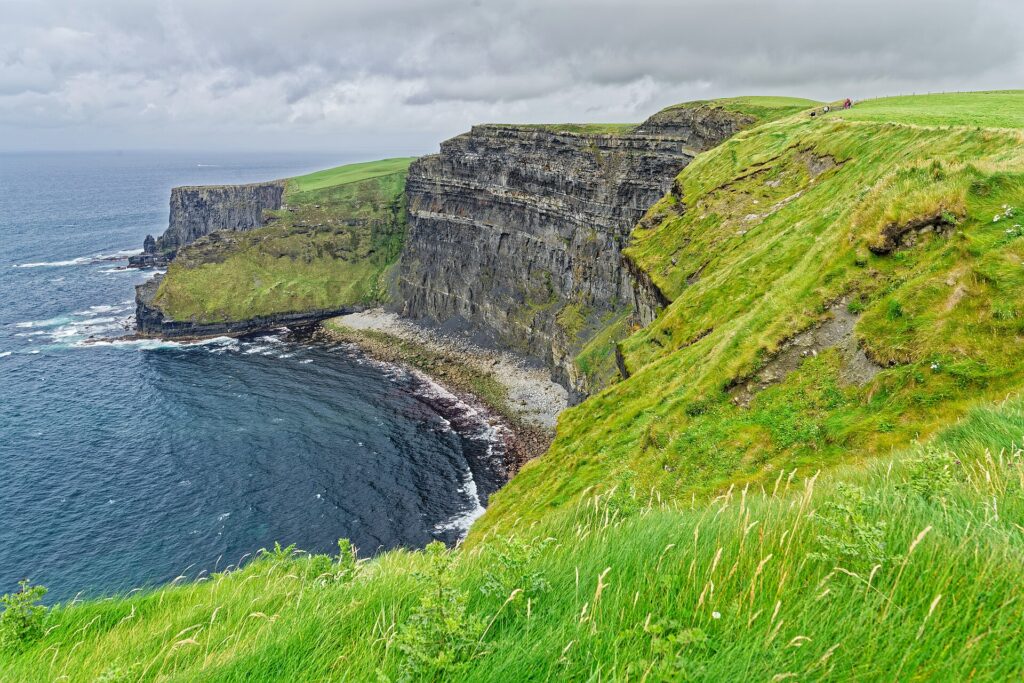
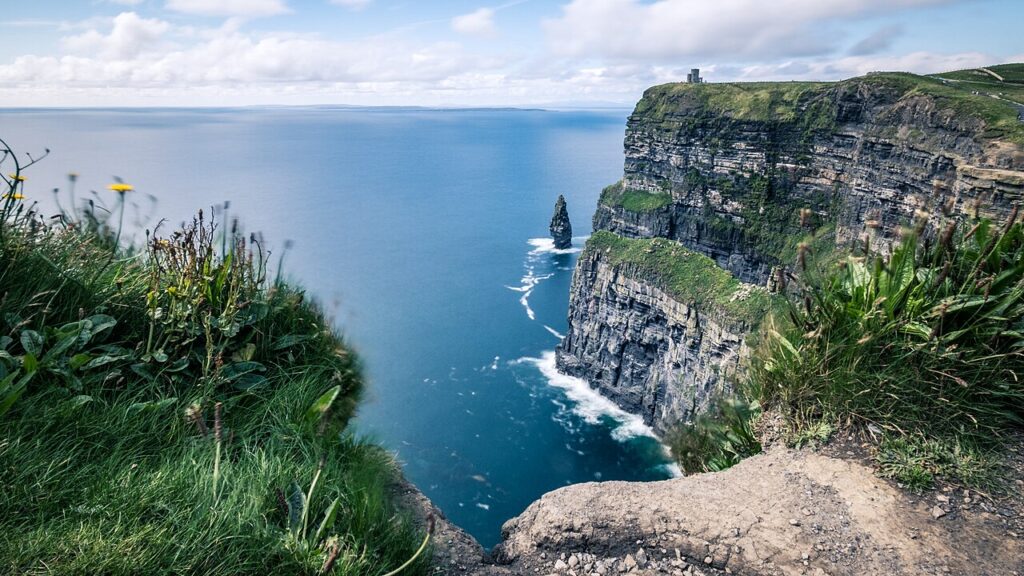
The Cliffs of Moher rise 700 feet above the Atlantic along five miles of County Clare coastline, and they’re every bit as dramatic as the photos suggest. They’re also Ireland’s most-visited natural landmark, which means timing and strategy matter if you want to experience them without fighting through tour buses.
Here’s what you need to know before you go.
When to Visit the Cliffs of Moher
The official visitor center opens at 9:00 a.m. year-round, but the cliffs themselves are accessible 24 hours a day. If you arrive before 10:00 a.m. or after 5:00 p.m., you’ll find dramatically fewer people and softer light for photography. Early morning also gives you the best chance of clear skies before coastal fog rolls in.
Summer brings the biggest crowds—July and August see over 10,000 visitors on peak days. September and early October offer better weather than you’d expect, with far fewer tour groups. Winter can be spectacular if you’re prepared for wind and rain, but several coastal path sections close when conditions turn dangerous.
Avoid midday arrivals between April and October unless you enjoy standing in line. The two-hour window between 11:00 a.m. and 1:00 p.m. is when most coach tours arrive from Galway and Killarney.
What the Visitor Center Offers (and What It Costs)
Parking costs $8.50 per person, which includes access to the visitor center, viewing platforms, and O’Brien’s Tower. There’s no way to access the main viewing areas without paying—the center controls the only official entry point.
The visitor center itself is built into the hillside and includes interactive exhibits about the cliffs’ geology, an overview of local wildlife (puffins nest here from April through July), and a short film. It’s well done but not essential. Most visitors spend 15 minutes inside before heading to the cliffs.
O’Brien’s Tower, a round stone tower built in 1835, sits at the cliffs’ highest point. The $2.50 entry gets you 360-degree views from the top, extending to the Aran Islands on clear days and across to the Twelve Bens mountain range in Connemara. Worth it if visibility is good; skip it if fog has settled in.
The Coastal Walk: North or South?
Two coastal paths run from the visitor center. The southern trail toward Hag’s Head is less crowded but rougher underfoot—it’s about 3.5 miles one way with no facilities. The northern path to Doolin is shorter (just under two miles) and better maintained, with the option to finish your walk in Doolin village and catch a bus back to the visitor center parking lot.
Both trails hug the cliff edge with no barriers in places, and wind can be severe. The paths are manageable in dry conditions with decent footwear, but they turn slick and treacherous when wet. If you’re only doing a portion, walk north for 20 minutes to get away from the central viewing platforms—you’ll leave most visitors behind and still get stunning perspectives.
The full southern walk to Hag’s Head rewards you with views back toward the main cliffs and a much quieter experience, but budget three hours round-trip and check the weather forecast carefully.
What You Can Skip
The visitor center cafe serves standard fare at tourist prices. If you’re driving from Doolin, Lisdoonvarna, or the Burren, eat before you arrive. The gift shop is large and well-stocked, but you’ll find the same merchandise in every town along the Wild Atlantic Way.
The Atlantic Edge exhibition inside the visitor center is skippable if you’re short on time—the cliffs themselves are the real draw, and the $8.50 entry already gives you everything you need.
Tour buses from Galway and Limerick typically allow 90 minutes at the cliffs, which feels rushed if you want to walk any section of the coastal path. If your schedule permits, drive yourself or book a tour that allows at least two hours on site.
Practical Details
The Cliffs of Moher sit eight miles south of Doolin on the R478. From Galway, it’s an hour’s drive via the N67 through the Burren. From Limerick, plan 90 minutes through Ennis. Parking fills completely on summer afternoons—arrive early or late.
There’s no mobile phone service at the cliffs, and the coastal paths have no facilities. Bring water, wear layers (it’s always windy), and don’t underestimate how cold it gets even in summer when you’re standing 700 feet above the ocean.
If you’re combining the cliffs with other stops, Doolin is ten minutes north and offers traditional music sessions most nights year-round. The Burren’s limestone landscape begins just north of the cliffs and deserves at least a few hours if you’re interested in archaeology or unusual geology.
Want more Ireland travel guidance delivered weekly? Subscribe to The Ultimate Ireland Travel Guide newsletter—one short story a week to help you plan smarter and travel better.