
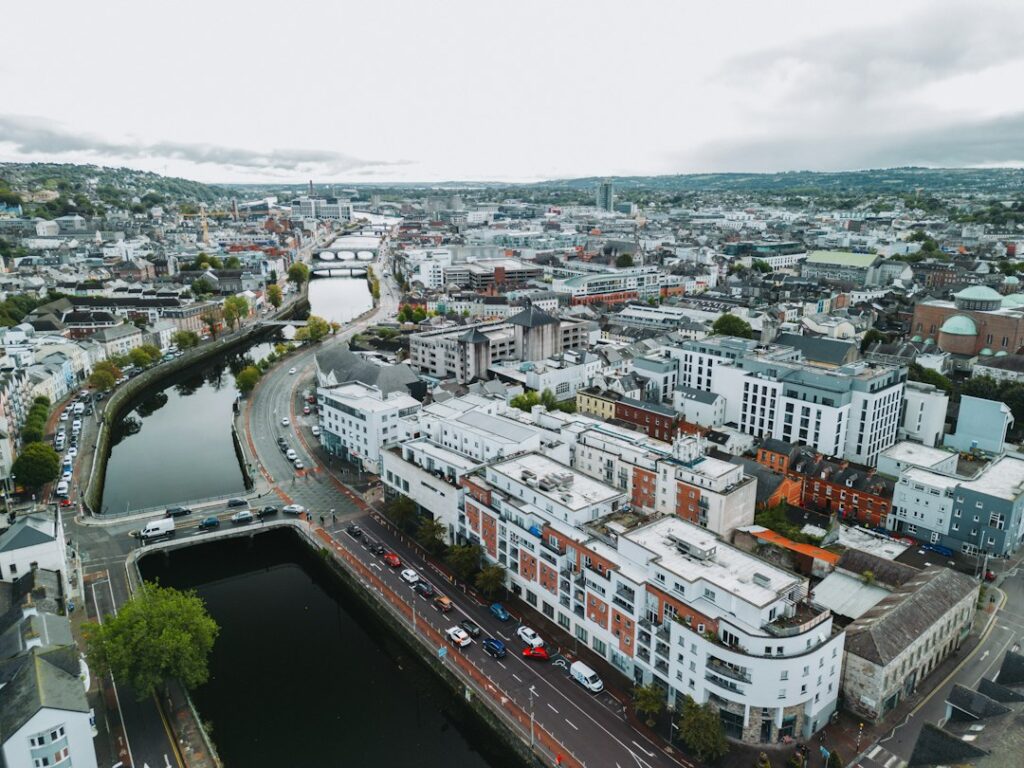
Cork doesn’t shout. It doesn’t need to. Ireland’s second city sits low and confident along the River Lee, its narrow lanes and Victorian markets humming with a food culture that rivals anything in Dublin, and a pub scene that feels less performed, more lived-in. You can see the heart of Cork in two days, but you’ll leave wishing you’d booked three.
This is a city for walking, eating, and lingering. The center is compact, the hills are real, and the locals—Corkonians—will tell you, with a straight face, that this is the real capital of Ireland.
What to Do in Cork City
Start at the English Market, one of the oldest covered markets in Europe and the best place to understand Cork’s food obsession. Open since 1788, it’s a working market where locals buy their weekend roast and tourists line up for smoked salmon at Kay O’Connell’s fish stall or a breakfast bap at the Farmgate Café upstairs. The café overlooks the market floor—order the black and white pudding with a strong coffee and watch the morning trade below.
From the market, walk south across the South Mall to St. Fin Barre’s Cathedral, a Gothic Revival stunner with three spires and enough carved stone to keep you circling for twenty minutes. The interior is quieter than you’d expect, and the stained glass is worth the $8 admission.
Head north across the river to Shandon, Cork’s hilly northside neighborhood, to climb the tower of St. Anne’s Church. You can ring the bells yourself—they’ll hand you the ropes and a laminated song sheet. The view from the top takes in the whole city, the harbor, and the hills of County Cork beyond.
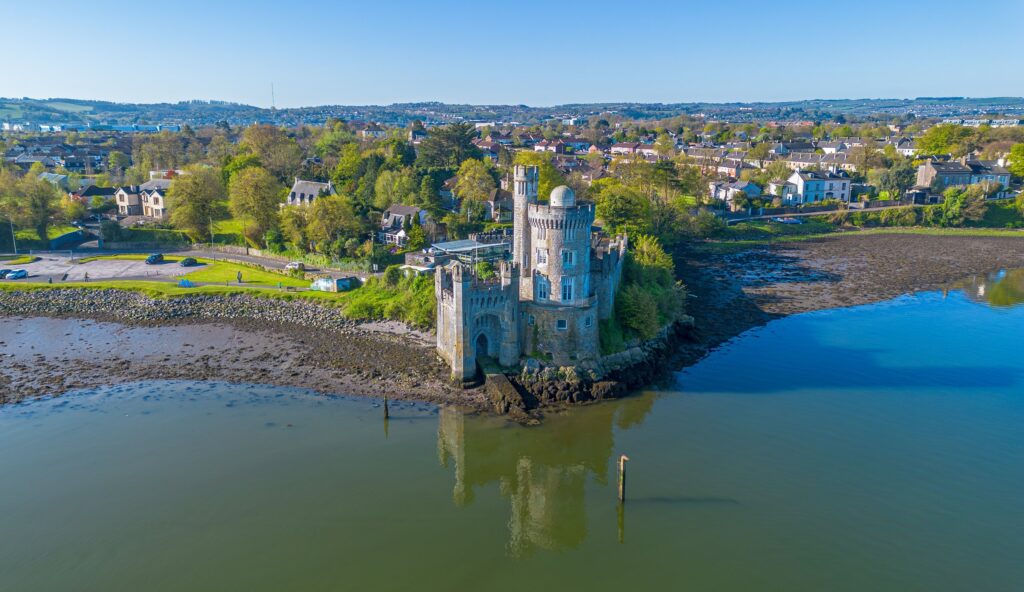
If you have time, walk the Marina east along the Lee’s south channel. It’s a flat, tree-lined path popular with joggers and dog walkers, and it dead-ends at Blackrock Castle, a 16th-century tower now housing a small observatory.
Where to Eat and Drink
Cork’s food scene punches well above its size. Ichigo Ichie is the city’s Michelin-starred Japanese kaiseki restaurant, but you’ll need to book weeks ahead. For something more immediate, try Goldie on Cornmarket Street—all fish, simply done, with natural wine and a counter overlooking the open kitchen.
Elbow Lane Brew and Smoke House does Texas-style barbecue with Cork craft beer. Orso on Pembroke Street is the best Italian in the city, and Market Lane on Oliver Plunkett Street is a reliable all-day spot for brunch, lunch, or an early dinner before the pubs.
For pubs, skip the touristy spots on Oliver Plunkett and head to The Mutton Lane Inn, a tiny, tile-fronted bar down an alley off Patrick Street. The Oval on South Main Street pours a good pint and often has trad sessions midweek. The Shelbourne Bar on MacCurtain Street is old Cork—wood, mirrors, locals at the bar, and Beamish on tap (Cork’s own stout, brewed here since 1792).
Where to Stay
The River Lee Hotel is Cork’s upscale option, right on the river with views and a good breakfast. Expect to pay around $180–250 per night. The Montenotte Hotel sits on a hill northeast of the center with panoramic views over the city and harbor—about $150–200, and worth it if you have a car.
For something central and budget-friendly, try Kinlay House Shandon, a hostel in the Shandon neighborhood with private rooms starting around $70. The Imperial Hotel on South Mall is Cork’s grande dame—faded but charming, with a location you can’t beat.
Getting There and Around
Cork is 160 miles southwest of Dublin, about a 2.5-hour drive on the M8. The city is also well-connected by bus and train—Irish Rail runs multiple daily services from Dublin’s Heuston Station (around $30–40 one-way, 2.5 hours). Cork Airport is four miles south of the city, with direct flights to the U.S., U.K., and Europe.
Once you’re in Cork, you won’t need a car. The center is walkable, and buses run frequently if you’re staying outside the core. If you’re continuing west to Kinsale, Clonakilty, or the Beara Peninsula, rent a car on your way out—most agencies have offices near Kent Station or the airport.
Cork works best as a two-night stay: one day for the city itself, and another for a day trip to Blarney, Cobh, or Kinsale. But if you’re serious about food, pubs, and the slower rhythms of Irish city life, give it three.
Want one short Ireland story in your inbox every day? Subscribe to The Ultimate Ireland Travel Guide newsletter—no fluff, just the Ireland worth traveling for.