
Killarney gets overlooked. Most visitors treat it as a base camp for the Ring of Kerry or the national park, then head straight out of town. But the compact streets of Killarney itself—lined with Victorian shopfronts, tucked-away bakeries, and weathered pubs—deserve a full day on their own.
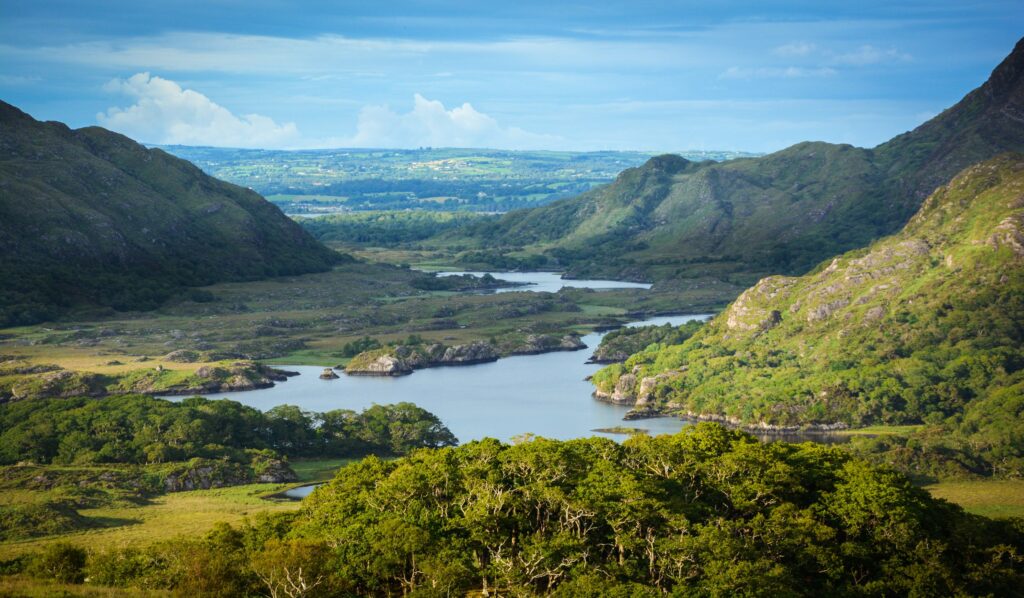
The town sits where three glacial lakes meet wooded slopes and purple-topped mountains. It’s been welcoming travelers since the 1700s, and it shows in the rhythm of the place: unhurried, friendly, built around good conversation and even better coffee.
Morning: The Town Center and St. Mary’s Cathedral
Start on High Street, the spine of old Killarney. The Jam café opens early and serves brown bread with farmhouse butter and homemade preserves—order the raspberry. From there, walk east to St. Mary’s Cathedral, a Gothic Revival church designed by Augustus Pugin in the 1840s. The interior is dim and surprisingly quiet, even in high season, with soaring limestone arches and stained glass that catches the morning light.
Cross back through the Fairview neighborhood and stop at Quinlan’s Seafood Bar on High Street. If you’re there mid-morning, grab takeaway smoked salmon or crab claws for later. The family has been selling fish here since the 1960s.
Spend an hour wandering the side lanes off Main Street: Plunkett Street for woolens and handmade jewelry, New Street for secondhand bookshops. The Killarney Bookshop on Main Street stocks local history, poetry, and walking guides you won’t find online.
Lunch and Jaunting Cars
Lunch at Bricín on High Street. The upstairs dining room overlooks the street, and the menu leans traditional: boxty filled with smoked chicken, beef and Guinness pie, house-made brown bread. Portions are generous. Expect to pay around $18–$25 per main.
After lunch, walk to Kenmare Place, where the jaunting cars line up. These are horse-drawn carts, a Killarney tradition since Victorian times. Drivers offer loops around town or longer routes into the national park. A one-hour town circuit costs around $50–$60 for up to four people. The drivers double as storytellers—ask about the history of the big estates or the filming locations around the lakes.
If you’d rather walk, take the path from the town park toward Ross Castle. It’s a flat, paved route along the lakeshore, about two miles one way, with views across Lough Leane to the MacGillycuddy’s Reeks.
Afternoon: Markets, Museums, and Tea
On Saturdays, the Killarney Farmers Market sets up on Fair Hill from late morning to early afternoon. You’ll find unpasteurized cheese from local dairies, sourdough, honey, smoked trout, and apple cake still warm from the oven. Even if it’s not market day, the nearby Killarney House and Gardens are worth an hour. The Victorian mansion sits inside the national park boundary, surrounded by formal gardens and ancient yew trees. Entry is free.
For tea, head to The Lane café on New Street. It’s a narrow, brick-walled spot that roasts its own coffee and bakes everything in-house. Order the porter cake—dense, dark, studded with raisins—and sit by the window.
Evening: Pubs Without Pretense
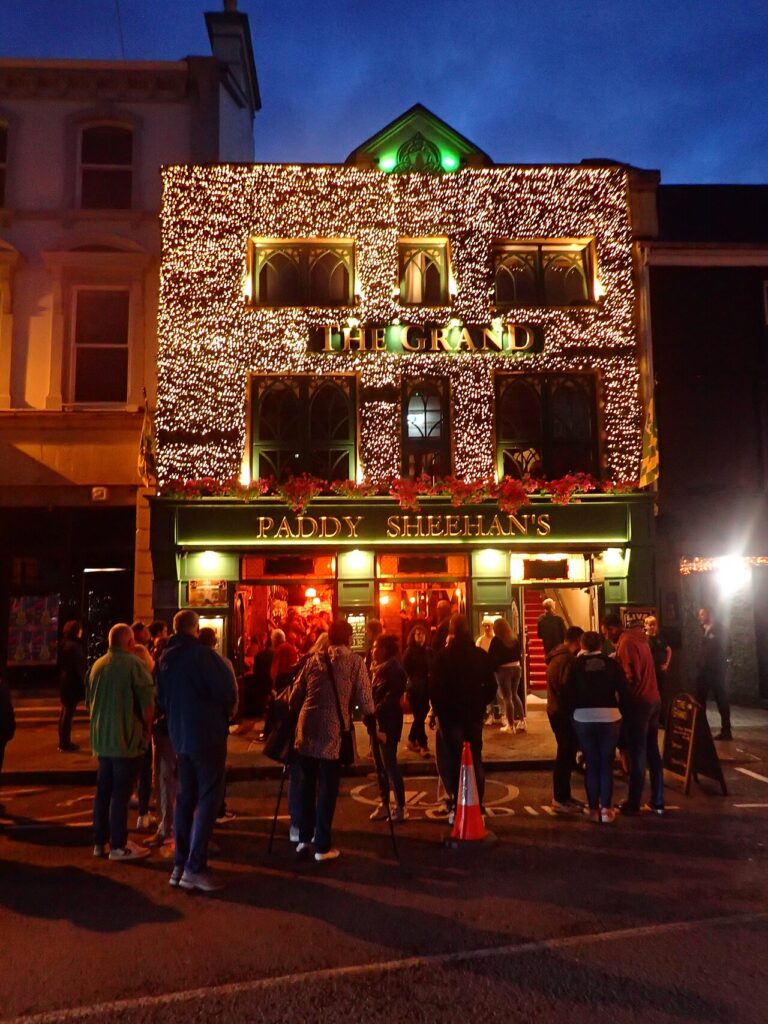
Killarney has more pubs per capita than almost anywhere in Ireland, but not all cater to locals. For a pint without the tour-bus crowds, try The Laurels on Main Street or Tatler Jack on Plunkett Street. Both pour a proper Guinness and usually have a session or two during the week—traditional music played by musicians who live here, not hired entertainment.
Dinner at Treyvaud’s on High Street leans modern Irish: Kerry lamb, black pudding croquettes, pan-fried hake with samphire. Mains run $22–$32. The wine list is short but considered, and the staff knows the menu inside out.
If you want something lighter, grab fish and chips from Danny Mann on New Street and eat them on a bench by the church. The batter is crisp, the chips hand-cut, and you’ll spend under $12.
Killarney isn’t trying to impress anyone. It’s a working town that happens to sit in one of the most beautiful corners of Ireland. Give it a day, and you’ll understand why so many visitors come back—not for the scenery alone, but for the town itself.
Want more Ireland stories like this in your inbox? Subscribe to The Ultimate Ireland Travel Guide newsletter—one short story a day, straight from the source.