
Spring in Ireland — roughly March through May — is one of the country’s best-kept secrets. The crowds haven’t arrived yet, the landscape is vivid green and dusted with wildflowers, and daylight stretches past 9 p.m. by late May. If you can handle a bit of unpredictable weather and don’t mind packing layers, spring offers an Ireland that feels less hurried and more authentic.
Here’s what you need to know about visiting during these shoulder months, from weather and logistics to the best places to explore when the country is waking up from winter.
What the Weather Is Really Like
Irish spring weather is famously moody. You’ll see sun, rain, and wind — sometimes all in the same hour. March can still feel wintry, especially in the mornings, with temperatures ranging from 40°F to 50°F. April and May warm up to the mid-50s and low 60s, but it’s rarely what you’d call hot.
Pack waterproof layers, a good windbreaker, and comfortable walking shoes that can handle wet trails. The rain tends to come in quick bursts rather than all-day downpours, so don’t let a cloudy forecast stop you. Locals say there’s no such thing as bad weather in Ireland, only bad clothing.
One major upside: by late April and May, you’ll have daylight until well past 8 p.m., giving you more time to explore without feeling rushed.
Fewer Tourists, Better Prices
Spring is solidly shoulder season, which means smaller crowds at major sites like the Cliffs of Moher, Newgrange, and the Ring of Kerry. You won’t be jostling for space at viewpoints, and you’ll have a much easier time getting reservations at popular restaurants and guesthouses.
Accommodation prices drop compared to summer highs, and car hire rates are generally more reasonable. Book a few weeks ahead and you’ll have your pick of options. Some rural B&Bs and smaller attractions may still be closed in early March, but by April most of the country is fully open for business.
If you’re planning to visit Skellig Michael, note that boat tours don’t usually start until mid-May, weather permitting. But nearly every other major landmark and scenic drive is accessible and quieter than it will be come June.
Where to Go in Spring
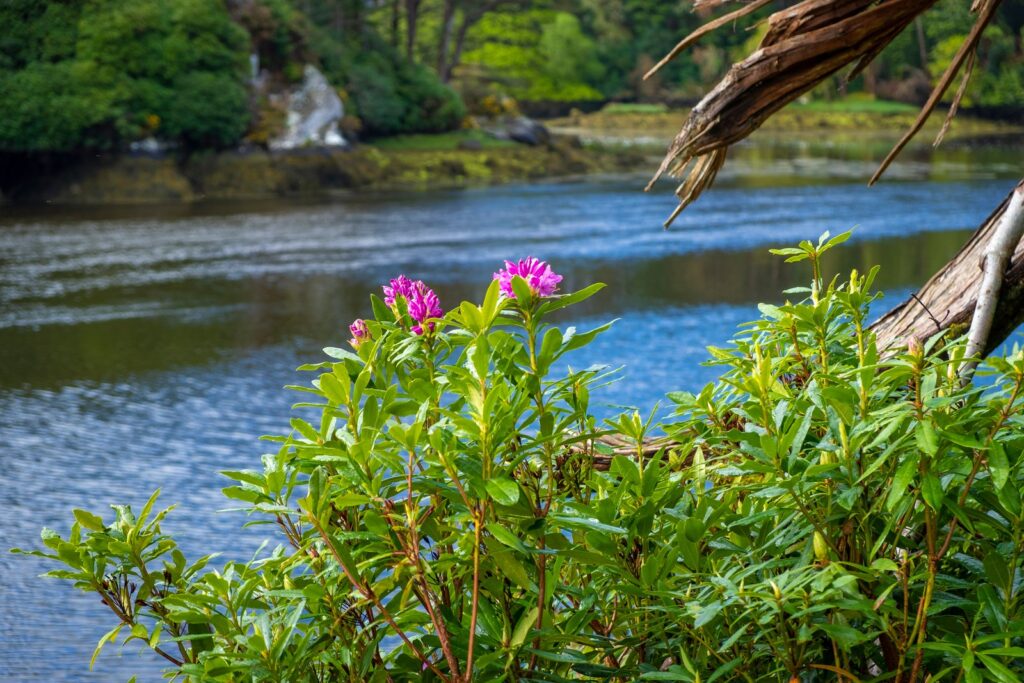
The west coast is stunning in spring. Connemara, the Burren, and the Dingle Peninsula all come alive with wildflowers — primroses, bluebells, and gorse that paints the hillsides yellow. The light is softer and the air feels crisp, perfect for hiking and photography.
In County Clare, the Burren is particularly magical in May when rare Arctic-alpine and Mediterranean flowers bloom side by side on the limestone pavements. The loop from Ballyvaughan to the Cliffs of Moher via the coast road is less trafficked and breathtaking.
Donegal is worth the drive in spring. Slieve League and Glenveagh National Park see far fewer visitors than in summer, and you’ll have trails largely to yourself. The highlands are lush and the beaches — like Murder Hole Beach near Downings — are windswept and dramatic.
In the east, County Wicklow is ideal for walkers. Glendalough and the Wicklow Way are accessible and beautiful, with waterfalls running full from spring rains and woodland trails lined with bluebells by late April.
Dublin, Galway, and Cork are all excellent in spring. The cities feel lively without being overrun, and you’ll find it easier to get into popular spots like the Guinness Storehouse or a good traditional music session in Temple Bar or the Latin Quarter.
Festivals and Events Worth Timing
Spring brings a handful of festivals that give you a taste of Irish culture without the summer crowds. St. Patrick’s Day on March 17 is the big one, with parades and celebrations across the country, though Dublin’s can be overwhelming. Smaller towns like Kilkenny and Westport offer more manageable festivities.
In late April and early May, keep an eye out for local food and music festivals, especially along the coast. The Galway Food Festival usually runs in late March or early April, showcasing the best of the west’s seafood, farmhouse cheese, and craft producers.
Practical Tips for Spring Travel
Car hire is a great option in spring — roads are quieter and driving on the left feels less intimidating without summer traffic. Just be cautious on narrow country lanes after rain, as they can be slick.
Pack for layers. A fleece, rain jacket, and a warm hat will serve you better than a heavy coat. Bring sunglasses too — when the sun breaks through, it’s bright and low on the horizon.
Don’t skip the small towns. Places like Dingle, Kilkenny, and Westport are at their best in spring when you can stroll the streets, pop into a pub, and chat with locals without the summer rush.
If you’re visiting any of the major heritage sites or booking a tour with Viator, it’s still worth reserving ahead, especially around Easter and the May bank holiday weekends when Irish families travel domestically.
Spring is a time when Ireland feels like it belongs to the people who live here, not just the visitors passing through. The landscapes are at their greenest, the locals are in good spirits, and the whole island feels awake and ready for the warmer months ahead.
Want more stories like this delivered to your inbox? Subscribe to The Ultimate Ireland Travel Guide newsletter — one short story a day, straight from the heart of Ireland.
Heads up — some links in this article are affiliate links. If you sign up through them, we may earn a small commission at no extra cost to you. We only recommend tools we use ourselves.