
Most visitors to Connemara drive the Sky Road, photograph Kylemore Abbey, and turn back toward Galway. Almost none make the ferry crossing to Inishbofin. That’s the island’s charm—and exactly why you should go.
Seven miles off the coast of County Galway, Inishbofin is home to fewer than 200 year-round residents, a handful of guesthouses, three pubs, and miles of empty beaches where the loudest sound is Atlantic surf. There are no petrol stations, no ATMs, and no rush. If you’re looking for Ireland’s quieter side, this is it.
Getting There and Getting Around
The Island Discovery ferry departs from Cleggan, a small harbor village about 50 miles northwest of Galway City. The crossing takes 30 minutes and costs around $25 round-trip for adults. In summer, ferries run three times daily; off-season schedules drop to once or twice, so check ahead and book online if you’re visiting between October and March.
Cleggan itself is an hour’s drive from Galway via the N59 through Clifden. The roads narrow as you approach the coast—typical Connemara single-track with occasional passing points—so allow extra time if you’re not used to Irish rural driving.
On Inishbofin, most visitors walk or rent bikes from Inishbofin Island Hostel or the Day’s Bar near the pier. The island is only three miles long and one mile wide, with a single paved loop road and a network of gravel lanes and footpaths. A bike is ideal; you can cover the whole island in an afternoon and stop wherever the view demands it.
What to Do on Inishbofin
The island’s main draw is its emptiness. East End Beach is a long curve of white sand facing the mainland, sheltered enough for swimming on calm days. Westquarter Beach, on the Atlantic side, is wider and wilder, with surf that rolls in uninterrupted from America. Both are usually deserted, even in July.
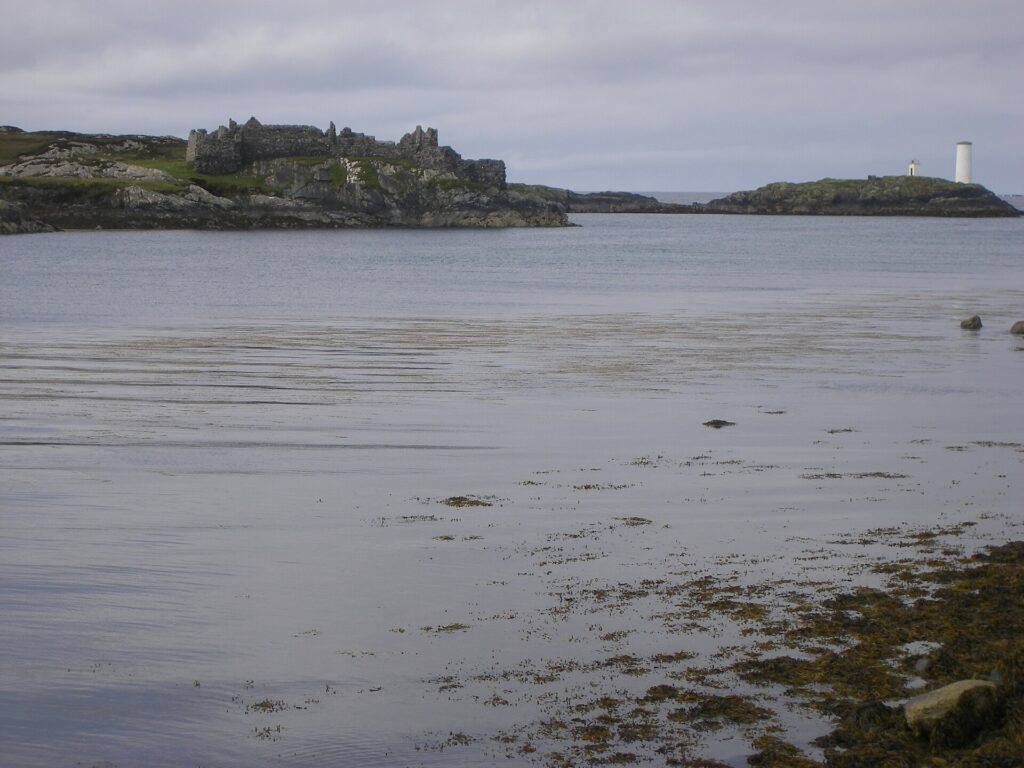
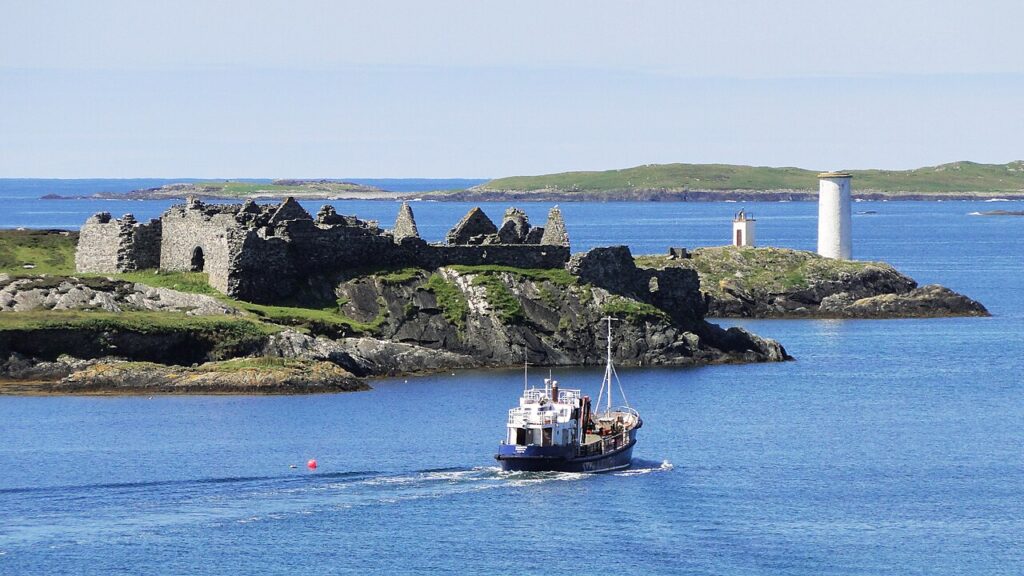
The harbor itself is worth an hour. Harbor seals lounge on rocks at low tide, and if you walk the short trail to Cromwell’s Barracks—a ruined 17th-century fort on the harbor’s north side—you’ll get views across to Inishturk and Clare Island. The fort’s history is grim (Cromwell used it as a prison for clergy), but the stonework and setting are striking.
Birdwatchers should head to the cliffs along the island’s western edge, where choughs, razorbills, and gulls nest in spring and early summer. The island is also a stopover point for migrating species in autumn, so bring binoculars if you’re visiting in September or October.
For a longer walk, follow the old famine road that cuts across the island’s interior toward Doonmore. The landscape here is classic Connemara—low stone walls, grazing sheep, and views that open suddenly onto the sea.
Where to Eat and Drink
Day’s Bar, just up from the pier, serves seafood chowder, crab sandwiches, and pints of Guinness in a small room that fills up with locals and visitors by early evening. The chowder is excellent—thick, buttery, and loaded with fish and mussels landed that morning.
Murray’s Doonmore Hotel, on the western side of the island, has a dining room open to non-guests and serves fresh fish, lamb, and vegetarian options. Booking ahead is smart, especially in summer when the island’s few tables fill quickly.
The Dolphin Hotel and Restaurant, near the harbor, offers similar fare—local seafood, Irish beef, brown bread—and has a comfortable bar where traditional music sessions happen a few nights a week, usually Thursdays and Saturdays in season. Don’t expect a packed room; this is low-key island music, often just a fiddle, a bodhrán, and whoever feels like joining in.
Staying the Night
Inishbofin rewards an overnight stay. Day-trippers get a few hours between ferries; staying lets you watch the harbor empty at dusk, hear the seals calling after dark, and wake to an island that feels entirely your own.
Accommodation is limited but genuine. The Doonmore Hotel has sea-facing rooms and a welcoming bar. Inishbofin House Hotel, near the pier, is smaller and family-run. Both cost around $120–$160 per night in high season. There’s also a hostel with dorm beds and private rooms for budget travelers, and a handful of B&Bs scattered across the island.
Book ahead between June and August. Off-season, you’ll often have your pick, and the island takes on a different character—stormier, quieter, more itself.
When to Visit
May through September offers the most reliable weather and ferry schedules. July and August are warmest but also busiest, though “busy” on Inishbofin still means a few dozen visitors at most. May and September are ideal: mild weather, wildflowers, and fewer people.
October through April is for hardy travelers. Ferries are less frequent, some guesthouses close, and Atlantic storms can scrub sailings entirely. But if you’re chasing solitude and don’t mind wind and rain, winter Inishbofin is unforgettable.
Inishbofin isn’t dramatic in the way Skellig Michael or the Cliffs of Moher are dramatic. It’s simply quiet, beautiful, and real—a place where Ireland’s island life still unfolds at its own pace. If that sounds like what you’re looking for, make the crossing.
Want more Ireland travel stories like this? Subscribe to The Ultimate Ireland Travel Guide newsletter—one short story a day, straight to your inbox.