
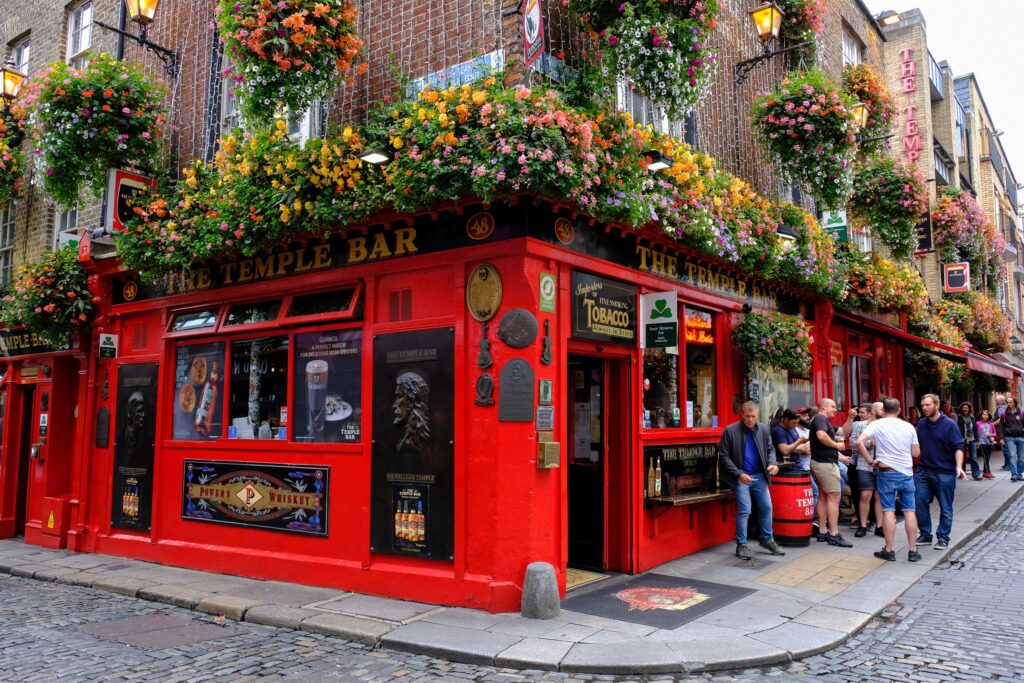
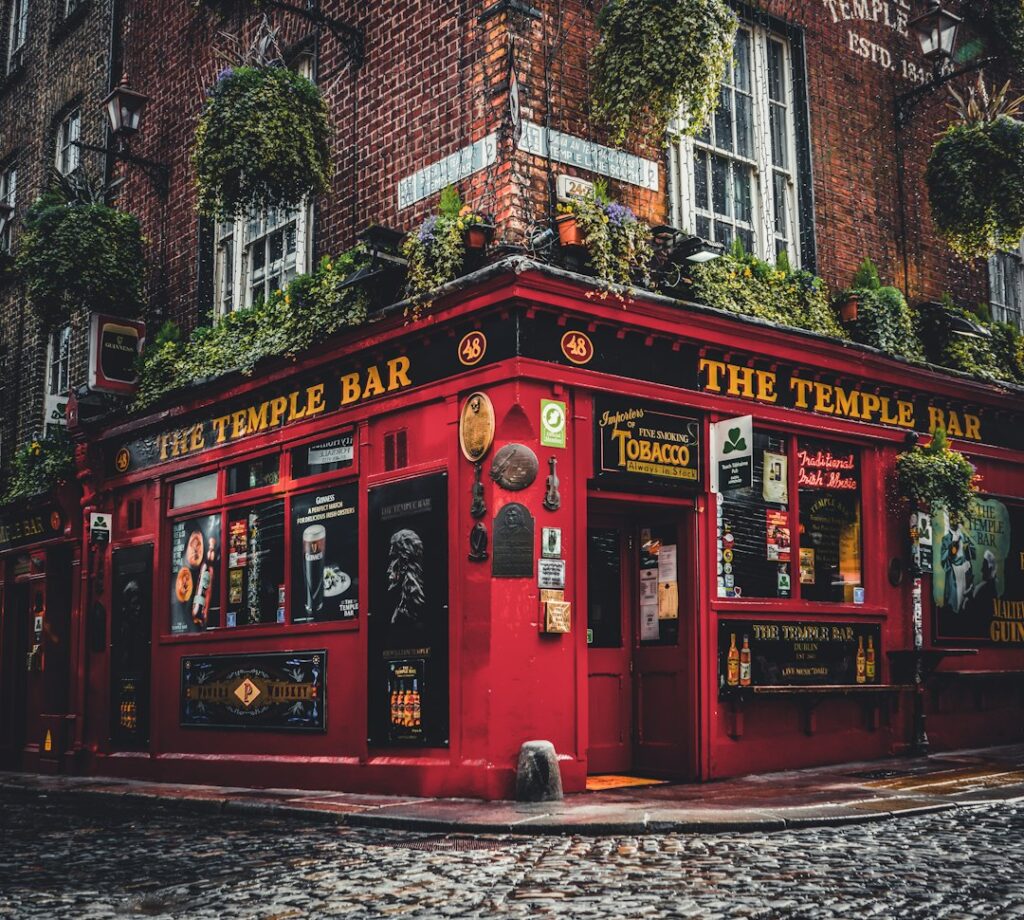
Dublin has more than a thousand pubs, and choosing where to drink can feel overwhelming. Temple Bar gets most of the attention—and most of the tourists—but the city’s finest drinking spots are tucked into quieter neighborhoods where locals actually go. You’ll find better value, better craic, and often better Guinness once you venture beyond the obvious.
Here’s where to drink in Dublin, from historic Victorian bars to snug neighborhood locals where the conversation flows as freely as the stout.
The Victorian Classics Worth the Visit
Some of Dublin’s oldest pubs have earned their reputations honestly. The Long Hall on South Great George’s Street, dating to 1766, remains one of the city’s most beautiful bars. Red velvet seats, ornate mirrors, and a carved mahogany bar that’s been polished by two centuries of elbows make this a must-visit. It’s popular but never feels like a tourist trap—you’ll stand shoulder-to-shoulder with office workers, students, and yes, visitors who’ve done their homework.
Neary’s, just off Grafton Street on Chatham Street, attracts theater-goers from the nearby Gaiety Theatre. The Victorian interior is pristine, the pints are well-kept, and the crowd skews older and quieter than Temple Bar. If you want conversation instead of shouting over a DJ, this is your spot.
Kehoe’s on South Anne Street started as a grocery and spirits shop in 1803. The original mahogany drawers and snugs remain intact. Arrive early—by 6 p.m. on weekends, you won’t find a seat. The upstairs bar is slightly calmer and just as atmospheric.
Stoneybatter and the Northside Gems
Stoneybatter, northwest of the city center along the North Circular Road, has become Dublin’s best neighborhood for pub-hopping without the crowds. L. Mulligan Grocer combines a traditional bar layout with a whiskey selection that rivals dedicated whiskey bars. The food is several notches above typical pub grub—think smoked mackerel pâté and beef short rib instead of chips and curry sauce.
The Cobblestone on North King Street is the city’s premier traditional music pub. Sessions happen nightly upstairs in the Backroom, where musicians play for each other, not for tips. Arrive by 8:30 p.m. if you want a seat. Downstairs, the front bar remains a proper local where regulars nurse pints and argue about hurling.
Walsh’s on Stoneybatter itself is a neighborhood institution—small, unpolished, and perfect. No food, no music, just drink and talk. It’s what a Dublin pub looked like before craft beer and artisan toasties.
Beyond Temple Bar: The Liberties and Portobello
The Liberties, Dublin’s oldest neighborhood, sits just west of Christchurch Cathedral. The Brazen Head claims to be Ireland’s oldest pub, dating to 1198, though the current building is Georgian. It’s touristy, yes, but the nightly traditional music sessions are genuine, and the courtyard is lovely in summer.
For something less obvious, find Fallon’s on The Coombe. This tiny, tile-fronted pub has barely changed since 1901. Four small rooms, each with its own fireplace. No television, no music, just Dubliners talking. You might be the only visitor—that’s the point.
South across the Grand Canal, Portobello has quietly become one of Dublin’s best drinking neighborhoods. The Porterhouse Central on Nassau Street (technically near Trinity College, but part of the Porterhouse family) brews its own beers on-site and offers an alternative to Guinness if you’re looking for variety. The Barge on Charlemont Street, right on the canal, is a sunny spot in good weather with outdoor seating overlooking the water.
Practical Tips for Drinking in Dublin
A pint of Guinness runs $6.50 to $8.50 depending on location—Temple Bar charges tourist prices, often $9 or more. Neighborhood pubs are cheaper and the stout is often better, since high turnover means fresher kegs.
Don’t order Guinness in rounds of shots or cocktails. Don’t ask for it quickly. A proper pour takes 119.5 seconds—two pours with a settling period between. If your bartender rushes it, you’re in the wrong pub.
Tipping isn’t expected for pints at the bar, but a euro or two for table service or multiple rounds is appreciated. Most pubs accept card now, though a few old-school spots remain cash-only.
Traditional music sessions are free, but musicians appreciate tips. A few euros in the jar goes a long way. Sessions typically start between 9 and 9:30 p.m., earlier on Sundays.
If you want to explore Dublin’s drinking culture more deeply, Viator offers pub tours that go beyond Temple Bar and include neighborhoods like Stoneybatter and the Liberties with local guides who know the stories behind the bars.
Dublin’s pub culture is one of the city’s great pleasures—not because the beer is extraordinary or the buildings are beautiful (though both can be true), but because pubs remain the city’s living rooms. They’re where Dubliners meet, talk, argue, sing, and solve the world’s problems over a pint. Pick the right pub, and you’re not just drinking—you’re joining a conversation that’s been going on for centuries.
Want more Ireland stories like this delivered to your inbox? Subscribe to The Ultimate Ireland Travel Guide newsletter—one short story a day, straight from the source.
Heads up — some links in this article are affiliate links. If you sign up through them, we may earn a small commission at no extra cost to you. We only recommend tools we use ourselves.