
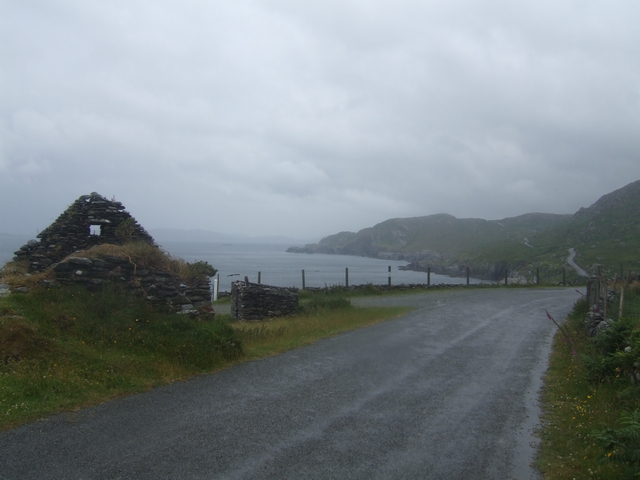
While tour buses queue up for the Ring of Kerry, savvy travelers are discovering the Beara Peninsula—a wild, mountainous finger of land stretching into the Atlantic between Kenmare Bay and Bantry Bay. Straddling Counties Cork and Kerry, Beara delivers everything you’d hope for in Ireland‘s southwest: plunging sea cliffs, stone circles older than the pyramids, brightly painted villages, and roads so narrow and winding you’ll swear they were designed for sheep, not cars.
The 137-mile Beara Way loop is one of Ireland’s most underrated scenic drives, and because it hasn’t achieved Ring of Kerry fame, you’ll often have entire stretches of coastline to yourself.
The Beara Way Drive: What to Expect
Start in Glengarriff, a Victorian-era village on Bantry Bay known for its subtropical gardens and sheltered harbor. From here, the R572 hugs the southern coast through Adrigole and past the Healy Pass turn-off—a white-knuckle mountain road that cuts across the spine of the Caha Mountains into County Kerry. If you’re comfortable with steep gradients and hairpin bends, the Healy Pass rewards with panoramic views back across Bantry Bay and forward to the Kenmare River.
Continuing west on the coast road, you’ll reach Castletownbere, Beara’s largest town and Ireland’s largest whitefish port. The working harbor feels authentically Irish—trawlers offload their catch while locals pop into McCarthy’s Bar for a pint and a chat. Bere Island sits just offshore; a car ferry makes the ten-minute crossing if you want to explore its quiet lanes and Martello towers.
The drive’s highlight comes between Allihies and Dursey Sound. The road climbs above copper-mining ruins—Allihies was once a booming mining village—and traverses high coastal moorland with the Atlantic crashing hundreds of feet below. At the peninsula’s tip, the Dursey Island cable car sways across a narrow channel. It’s Ireland’s only cable car, built in 1969, and it still runs on the original system. The six-minute crossing takes passengers, farmers, and occasionally sheep to the remote island.
Ancient Sites and Mountain Hikes
Beara holds some of Ireland’s most impressive prehistoric monuments. The Uragh Stone Circle, reached via a short walk from a lay-by on the R571 near Lauragh, stands in a natural amphitheater with mountains rising on all sides. Five standing stones form a circle around a central boulder altar, with waterfalls tumbling down the valley walls behind it—it’s one of the most dramatically sited ancient monuments in Ireland.
Near Ardgroom, the Canfea stone row and circle complex dates to the Bronze Age. These alignments are less visited than Uragh but equally atmospheric, especially in morning mist when the stones seem to float above the bog.
For hikers, the Beara Way walking trail covers 125 miles around the peninsula. Most visitors tackle day sections rather than the full route. The stretch from Allihies to Dursey offers spectacular coastal walking, while the Hungry Hill hike from Adrigole climbs to Beara’s highest peak at 2,251 feet, with views across three counties on clear days.
Where to Eat and Stay
Beara’s food scene punches above its weight. In Castletownbere, MacCarthy’s Bar serves excellent seafood chowder made with fish landed that morning—expect chunks of haddock, salmon, and mussels in a creamy broth, around $12. The Olde Bakery in Eyeries offers homemade brown bread and generous breakfast platters.
Allihies has two standout pubs: O’Neill’s (The Sea View) and Josie’s Bar, both serving hearty portions of fish and chips, beef and Guinness stew, and local crab when available. At the eastern end of the peninsula, the village of Ardgroom hosts a tiny farmers market on Sundays in summer.
Accommodation ranges from farmhouse B&Bs charging $80-120 per night to self-catering cottages overlooking the water. Book ahead in July and August; outside those months, you’ll have more flexibility and better prices.
Practical Tips for Visiting Beara
Allow a full day to drive the complete loop without rushing—longer if you plan to stop for hikes or island visits. The roads are narrow and twisty; expect to pull into passing places for oncoming traffic. Fuel stations are scarce, so fill up in Glengarriff, Castletownbere, or Kenmare.
The Dursey cable car operates on a limited schedule and doesn’t run in high winds. Check locally before making the trip to the western end specifically for the crossing.
Weather changes rapidly. Bring layers and waterproofs even if the morning starts sunny. The exposed coastal sections can be cold and windy, while sheltered valleys like Glengarriff feel almost Mediterranean.
Spring (April-May) and early autumn (September) offer the best balance of decent weather and fewer visitors. Summer brings longer days but also the majority of tourists—though Beara remains quieter than the Ring of Kerry even in peak season.
Want more hidden corners of Ireland delivered to your inbox? Subscribe to The Ultimate Ireland Travel Guide newsletter—one short story a week about the Ireland you won’t find in the guidebooks.
The Ultimate Ireland Travel Guide
The complete companion to the whole island — Republic and North. Every route timed, every “leave by” hour, where to stay, what to skip, and the local places that never make the tour-bus lists. In paperback and on Kindle.
See it on Amazon →Or start with the free 14-day itinerary — the whole island in one loop, printable.