Irish whiskey has experienced a remarkable renaissance over the past two decades, transforming from a near-forgotten spirit into one of the world’s fastest-growing categories. Today, Ireland is home to more than 40 distilleries, ranging from ancient operations that have survived centuries to bold new craft producers reshaping tradition.
Whether you’re a whiskey enthusiast or simply curious about Ireland’s national spirit, visiting a distillery offers a fascinating window into Irish culture, craftsmanship, and history. Here’s what you need to know before you go.
What Makes Irish Whiskey Different
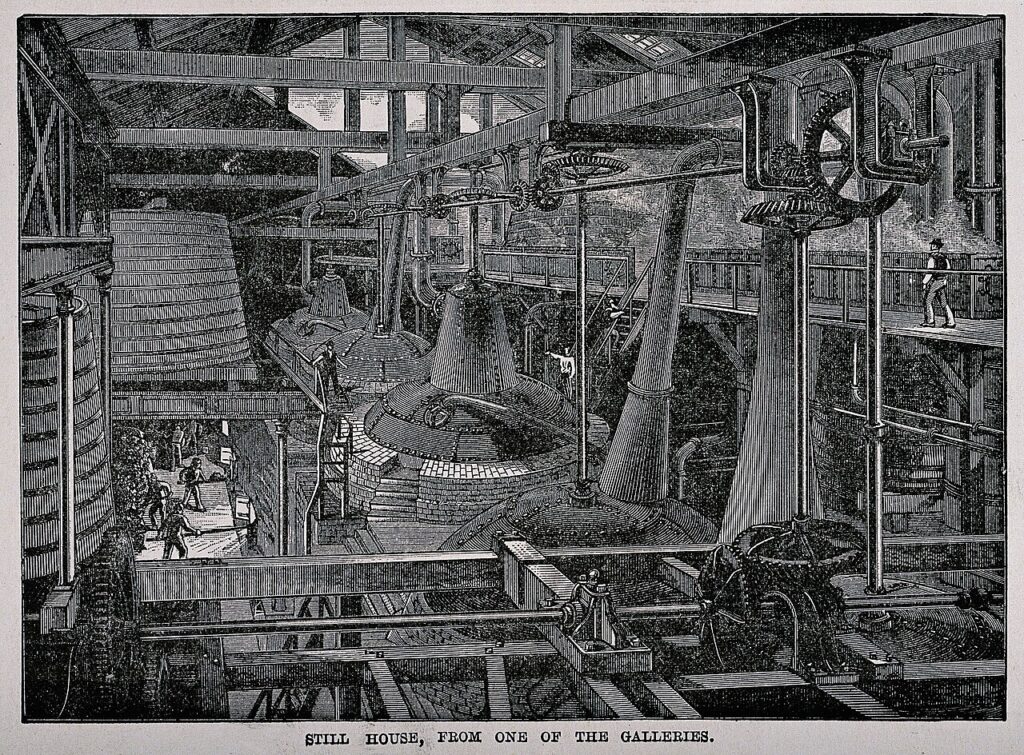
Irish whiskey is typically triple-distilled, compared to the double distillation common in Scottish whisky. This extra step creates a smoother, lighter spirit with less of the peaty smokiness associated with Scotch. By law, Irish whiskey must be aged in wooden casks for at least three years, though many premium expressions age far longer.
The four main styles are single pot still (made from malted and unmalted barley in traditional copper pot stills), single malt (100% malted barley), grain whiskey (made with corn or wheat), and blended whiskey (a mix of pot still, malt, and grain). Each distillery tends to specialize, giving every tour a distinct character.
The Historic Distilleries Worth Visiting
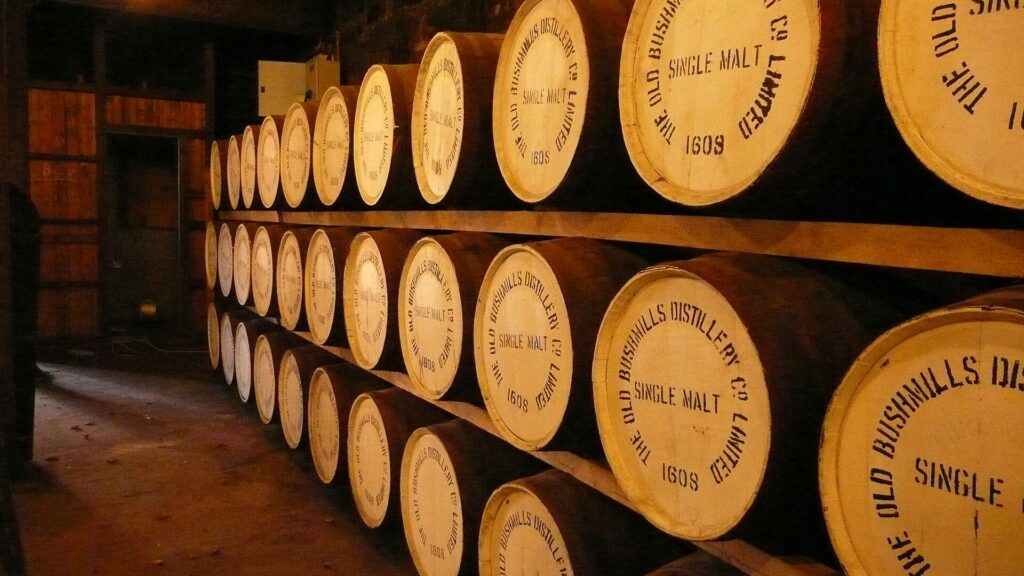
The Old Bushmills Distillery in County Antrim holds the distinction of being the world’s oldest licensed distillery, with a grant dating to 1608. Located just minutes from the Giant’s Causeway, it’s an easy add-on to a Causeway Coastal Route itinerary. Tours run daily and include tastings of their signature smooth whiskeys. Book ahead during summer months.
In Dublin, the Jameson Distillery Bow Street occupies the original site where John Jameson began production in 1780. The interactive tour includes a comparative tasting where you’ll sample Irish whiskey alongside Scotch and American bourbon to understand the differences. It’s located in Smithfield, a short walk from the city center.
The Midleton Distillery in County Cork is where most of Ireland’s whiskey is actually produced today, including Jameson, Redbreast, and Powers. The premium tour takes you through the old distillery buildings and includes access to rare whiskeys not available elsewhere. Midleton town itself is charming, with excellent restaurants and cafés worth exploring.
Craft Distilleries Breaking New Ground
The Dingle Distillery on the Dingle Peninsula was among the first of Ireland’s modern craft distilleries when it opened in 2012. Their single malt has won international acclaim, and the tour offers stunning views of Dingle Bay. The on-site café serves excellent coffee and pastries.
Teeling Whiskey Distillery, Dublin’s first new distillery in over 125 years, opened in the Liberties neighborhood in 2015. It’s a working distillery where you can watch the entire process, from mashing to bottling. Their small-batch approach allows for creative experimentation with different cask finishes.
In Slane, County Meath, Slane Distillery sits on the historic Slane Castle estate, home to legendary rock concerts. The ultra-modern facility contrasts beautifully with the 18th-century castle grounds. Tours often include access to the castle itself.
Planning Your Distillery Visits
Most distillery tours cost between $20 and $35 per person, with premium experiences running $50 to $100. Standard tours last 60 to 90 minutes and include at least one tasting. Book online in advance, especially for weekend visits or during peak summer season (June through August).
If you’re visiting multiple distilleries, designate a driver or consider joining an organized tour. Viator offers full-day whiskey tours that handle transportation and visit two or three distilleries in a single day, particularly useful in areas like County Cork where distilleries are spread out.
Many distilleries are closed or offer limited tours on Sundays and Mondays, so plan accordingly. The quietest times are typically weekday mornings in shoulder season (April, May, September, October), when you’ll have more opportunity to chat with guides and ask questions.
Don’t rush through the tasting. Take time to nose the whiskey first, add a drop of water to open up the flavors, and sip slowly. The guides are passionate about their craft and happy to explain what you’re tasting.
Most distillery shops offer bottles you can’t find elsewhere, including cask-strength releases and distillery-exclusive editions. Prices are often comparable to retail, so it’s worth picking up something special.
Ready to discover more of Ireland’s hidden gems and insider tips? Subscribe to The Ultimate Ireland Travel Guide newsletter for one short story a week, delivered straight to your inbox.
Heads up — some links in this article are affiliate links. If you sign up through them, we may earn a small commission at no extra cost to you. We only recommend tools we use ourselves.
The Ultimate Ireland Travel Guide
The complete companion to the whole island — Republic and North. Every route timed, every “leave by” hour, where to stay, what to skip, and the local places that never make the tour-bus lists. In paperback and on Kindle.
See it on Amazon →Or start with the free 14-day itinerary — the whole island in one loop, printable.