
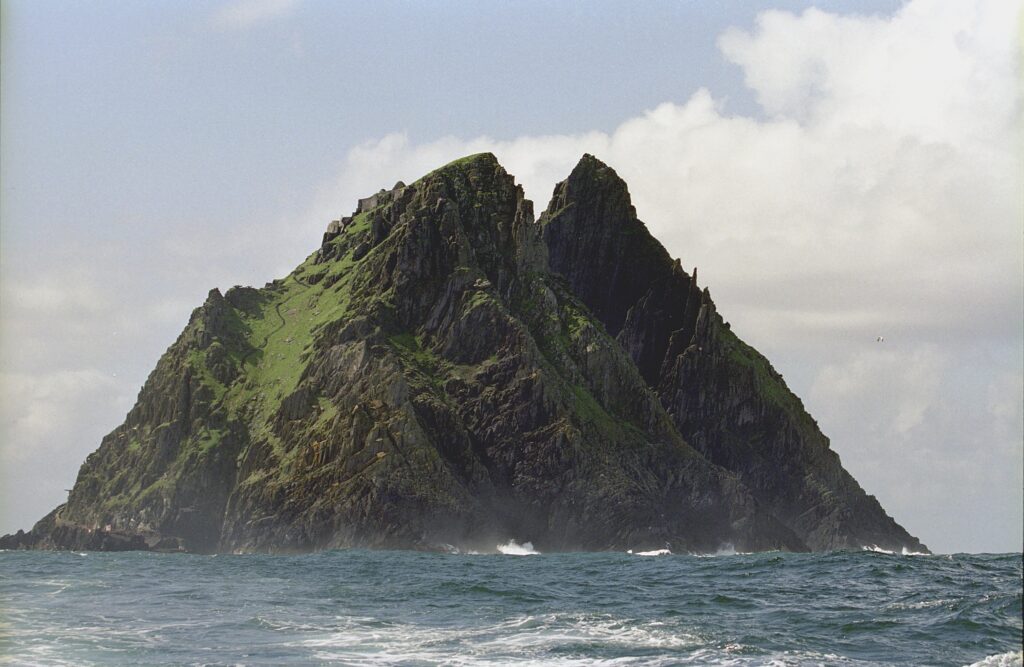
Six hundred steps carved into vertical rock. A sixth-century monastery perched 600 feet above crashing waves. Skellig Michael isn’t for everyone—and that’s precisely what makes it unforgettable.
Located eight miles off the coast of County Kerry, this UNESCO World Heritage Site draws visitors who want to stand where monks lived in complete isolation for centuries. But getting there requires planning, luck with the weather, and a strong stomach for Atlantic swells.
What Makes Skellig Michael Worth the Journey
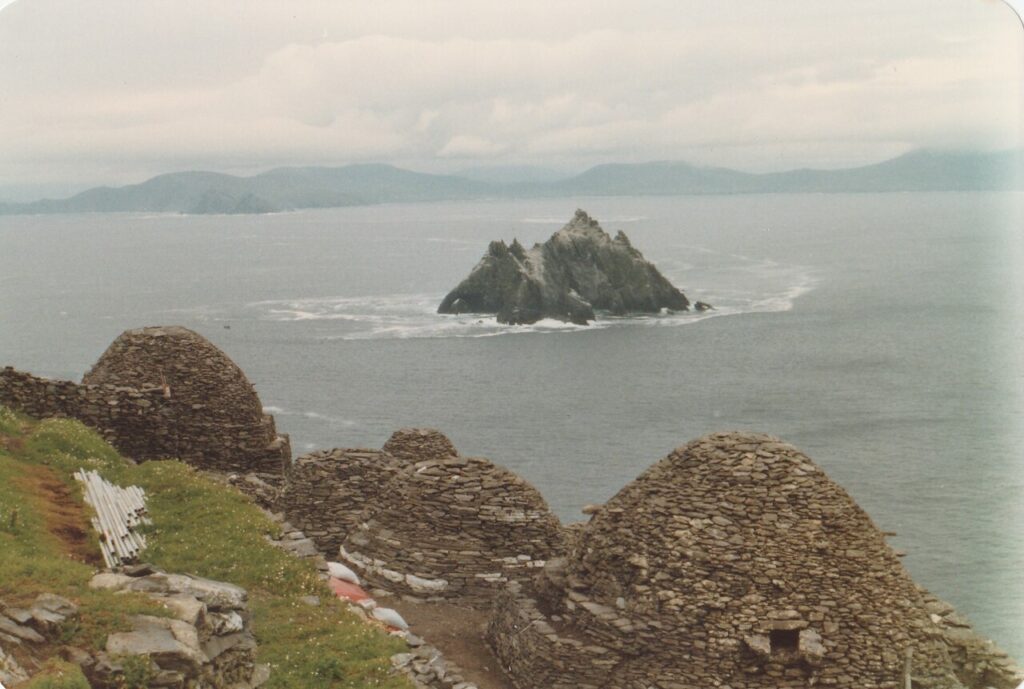
The monastery on Skellig Michael dates to sometime between the sixth and eighth centuries. Early Christian monks built beehive huts from unmortared stone, terraced gardens into the cliffsides, and carved steps that still hold firm after 1,400 years. They chose one of the most remote, inhospitable locations in Europe to live closer to God—and further from everything else.
The preservation is remarkable. Six beehive cells remain intact, along with two oratories and several stone crosses. Walking among them, you’re not looking at reconstructions or ruins behind velvet ropes. You’re stepping into spaces that sheltered human life when most of Europe was in the Dark Ages.
The natural drama matches the human history. Puffins nest on the island from April through early August. Gannets dive offshore. On clear days, the views stretch across the Skelligs, the Kerry coastline, and seemingly endless Atlantic.
How to Actually Get There
Boats to Skellig Michael depart from three ports: Portmagee, Ballinskelligs, and Derrynane. The season runs from mid-May through September, weather permitting. Book months ahead—the island allows only 180 visitors per day, and tour operators frequently sell out by March.
Departures happen early, usually between 8:00 and 10:00 a.m. The crossing takes about an hour each way, and you’ll have roughly two and a half hours on the island. Total trip time runs five to six hours. Operators charge between $90 and $120 per person.
Here’s what they don’t always tell you: about half of scheduled trips are cancelled due to weather or sea conditions. Wind, swell, and visibility all factor in. Some visitors book multiple days on the Kerry coast just to increase their odds of a departure.
Viator offers several Skellig Michael tour options that include backup activities if the Atlantic doesn’t cooperate—a smart approach given the cancellation rate.
What to Expect on the Island
The boat drops you at a small stone pier. From there, you climb. All 600-plus steps. There are no railings for much of the ascent, no bathroom facilities, and no shelter from wind or rain. The steps are uneven, often wet, and occasionally crumbling.
Office of Public Works guides meet boats and lead groups up to the monastery. They’re required—you can’t wander freely. The guides share history, point out architectural details, and keep visitors from damaging fragile structures. They also enforce the time limits that allow the next boat’s passengers to ascend.
Physical fitness matters. The climb isn’t technical, but it’s steep and exposed. People with mobility issues, severe vertigo, or heart conditions should reconsider. There’s no easy way down if you get halfway up and change your mind.
Practical Tips for a Successful Visit
Bring layers. Weather on Skellig Michael often bears no resemblance to conditions on the Kerry mainland. Wind is constant. Rain appears without warning. Even sunny days turn cold at the summit.
Wear hiking boots or shoes with aggressive tread. The steps are stone, often damp, and unforgiving. Smooth-soled shoes are a liability.
Pack light—water, a rain jacket, and snacks. Leave the large backpack on shore. You’re climbing steep stairs, not setting up camp.
Seasickness is common on the crossing. The Atlantic swells don’t smooth out for tourists. Take medication before boarding if you’re prone to motion sickness. Ginger tablets and wristbands help some people.
Photography is allowed, but drones are not. The island is a protected seabird sanctuary, and UNESCO sites have strict rules.
Is It Worth the Effort?
For travelers who want Ireland’s rugged edge rather than its polished face, absolutely. Skellig Michael delivers an experience that’s physically demanding, weather-dependent, and genuinely remote. It’s the opposite of a comfortable tour bus pulling up to a visitor center.
But know what you’re signing up for. This isn’t a casual day trip. It’s a pilgrimage to one of early Christianity’s most extreme outposts, and reaching it requires the same determination—if not quite the same devotion—that brought those first monks to this rock in the Atlantic.
Want more stories from the edges of Ireland? Subscribe to The Ultimate Ireland Travel Guide newsletter and get one insight delivered weekly—the Ireland that lies beyond the postcards.
Heads up — some links in this article are affiliate links. If you sign up through them, we may earn a small commission at no extra cost to you. We only recommend tools we use ourselves.
The Ultimate Ireland Travel Guide
The complete companion to the whole island — Republic and North. Every route timed, every “leave by” hour, where to stay, what to skip, and the local places that never make the tour-bus lists. In paperback and on Kindle.
See it on Amazon →Or start with the free 14-day itinerary — the whole island in one loop, printable.