
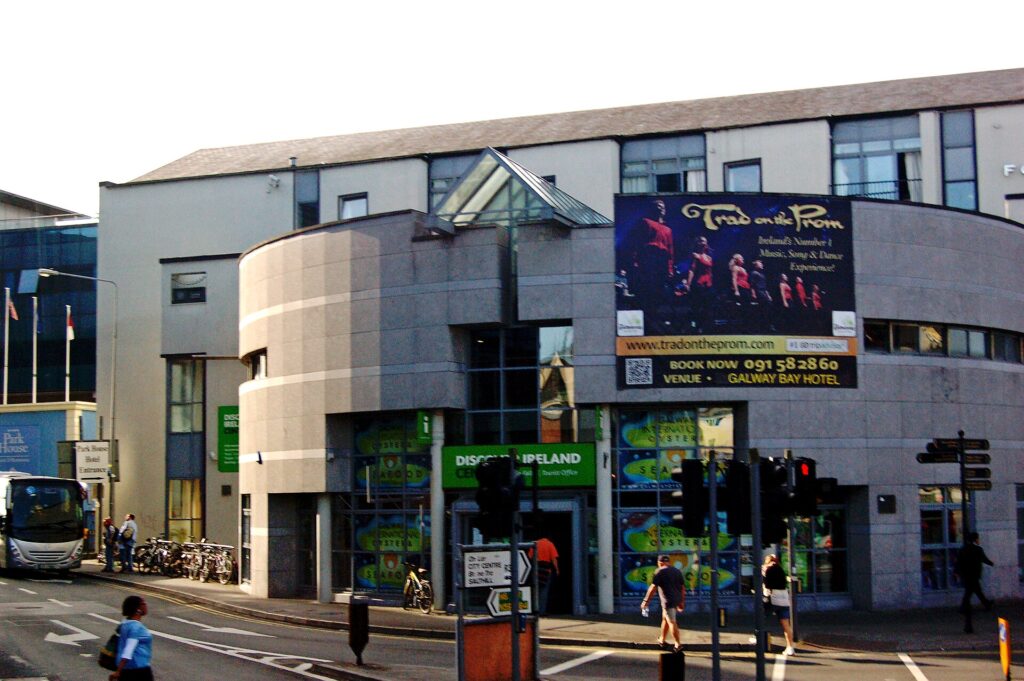
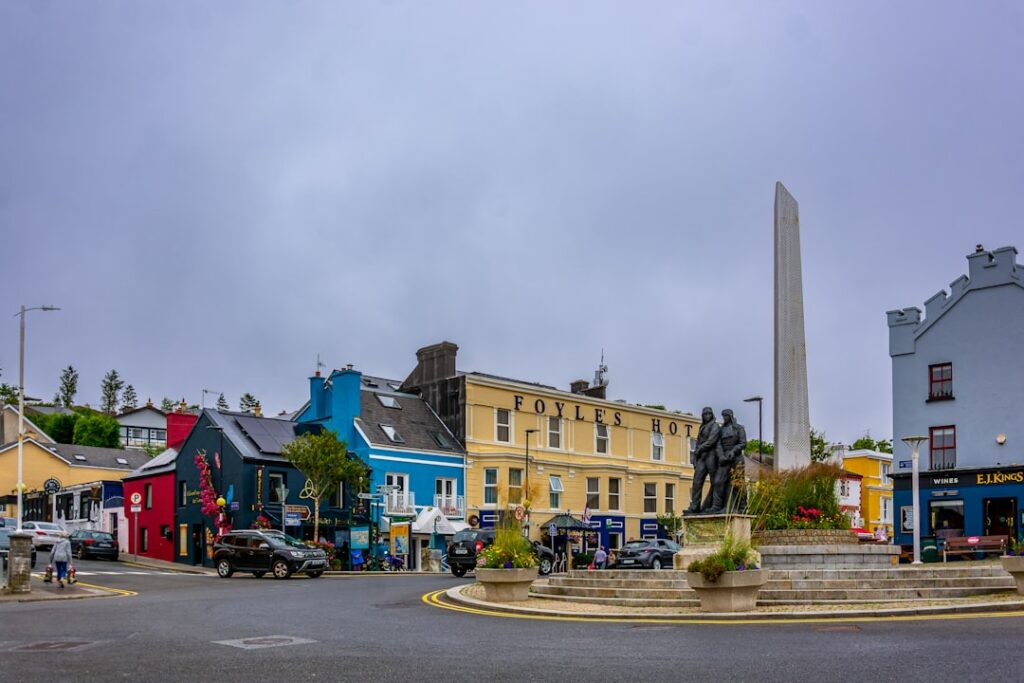
Galway sits on Ireland’s western edge where the River Corrib meets the Atlantic, and it feels like the country’s living room—a place where locals actually gather, not just pass through. It’s compact enough to walk end-to-end in twenty minutes, but deep enough to fill a weekend without touching the same pub twice.
Unlike Dublin, where tourist quarters feel stage-managed, Galway’s energy is organic. Students from the university mix with fishermen, musicians, and travelers in pubs that don’t need neon signs to draw a crowd. The Latin Quarter—a tangle of medieval lanes between Shop Street and the Spanish Arch—is where most of the action happens, but the city rewards wanderers who drift toward the docks, the Claddagh, and the promenade along Salthill.
Where to Eat and Drink
Galway takes seafood seriously. Kai on Sea Road serves market-driven plates—think Connemara lamb, line-caught fish, and vegetables pulled from nearby farms. It’s intimate, often booked out, and worth planning ahead. Ard Bia at Nimmos, tucked beside the Spanish Arch overlooking the Corrib, does brunch better than anywhere else in the city: buttermilk pancakes, smoked salmon on soda bread, strong coffee.
For oysters, head to McDonagh’s on Quay Street, a no-frills chipper that’s been shucking Galway Bay oysters since 1902. Pair them with brown bread and a pint of Guinness at the counter. If you want something fancier, O’Grady’s on the Pier in Barna—a fifteen-minute drive west—sits right over the water and sources everything locally.
The pub scene splits into two camps: trad sessions and late-night spots. Tig Cóilí on Mainguard Street and Taaffes Bar on Shop Street host nightly traditional music sessions that start around 9:30 p.m.—arrive early or you’ll be standing in the street. The Quays, a Gothic Revival gem on Quay Street, has music most nights in a space that feels like a medieval banquet hall. For a quieter pint, Tigh Neachtain on Cross Street is all dark wood, good Guinness, and conversation.
What to See and Do
Start at the Spanish Arch, a remnant of the old city walls built in 1584 to protect the quays. It’s more a landmark than a destination, but the riverside walk from there toward the Claddagh—the old fishing village where the Claddagh ring originated—is one of the city’s best strolls.
The Galway City Museum, next to the arch, is free and worth an hour. It covers the city’s history from medieval trade to the Claddagh’s fishing heritage, with rotating exhibits on local art and archaeology.
On Saturday mornings, the Galway Market takes over St. Nicholas’ Collegiate Church square. You’ll find farmhouse cheeses, smoked fish, fresh bread, jewelry, and buskers. It runs year-round, rain or shine.
If the weather cooperates, walk the Salthill Promenade—a two-mile seaside path that locals use for evening walks and weekend jogs. The tradition is to kick the wall at Blackrock diving tower before turning back. It’s quirky, but everyone does it.
Day Trips from Galway
Galway makes an excellent base for exploring Connemara, the Burren, and the Aran Islands. Connemara National Park is an hour’s drive north via the N59, with hikes through bogs, mountains, and coastal views that justify the detour. The loop through Clifden, the Sky Road, and back via Oughterard takes about four hours with stops.
The Cliffs of Moher are ninety minutes south. Go early or late to avoid the crowds—sunrise and sunset are both spectacular, and the visitor center opens early enough to catch morning light.
Ferries to the Aran Islands leave from Rossaveal, about twenty-five miles west. Inis Mór is the largest and most visited; Inis Meáin is quieter and more traditional. Book ferries in advance during summer—Viator offers combined ferry and bike rental packages that take the guesswork out of logistics.
Practical Tips
Galway is walkable. You don’t need a car in the city, though you’ll want one for day trips. Street parking is limited and metered; use the public car parks near the cathedral or train station if you’re driving in.
The city gets busy during festival season—July’s Galway International Arts Festival and September’s Galway International Oyster and Seafood Festival both draw crowds. Book accommodations early if you’re visiting then, or avoid those weeks entirely if you prefer a quieter experience.
September through early October is ideal: still warm enough for coastal walks, fewer tour buses, and the trad sessions are in full swing as students return.
Galway doesn’t require a checklist. It’s a city to drift through—follow the music, eat well, and let the rhythm of the place take over.
Want more stories like this? Subscribe to The Ultimate Ireland Travel Guide newsletter—one short story a week, straight to your inbox.
Heads up — some links in this article are affiliate links. If you sign up through them, we may earn a small commission at no extra cost to you. We only recommend tools we use ourselves.