
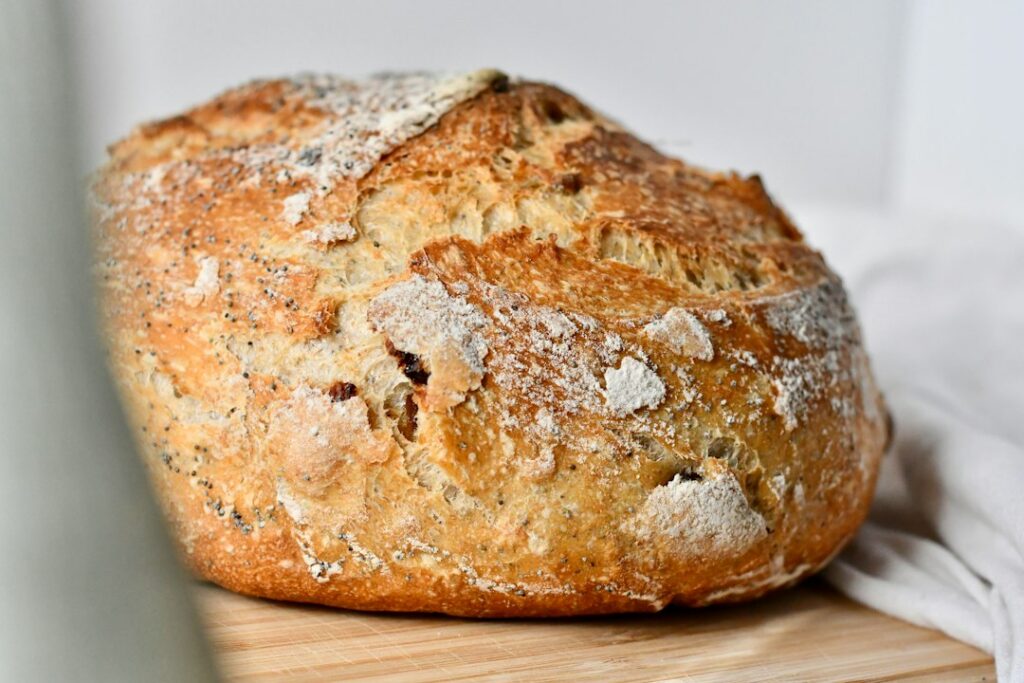
Irish soda bread doesn’t need yeast, kneading, or hours of rising. It needs four ingredients—flour, buttermilk, salt, and baking soda—and a hot oven. The result is a dense, slightly sweet loaf with a crackled crust that’s been baked in Irish kitchens for generations. But not all soda bread is created equal. The best loaves come from small bakeries, farmhouse B&Bs, and cafés where recipes have been passed down and perfected over decades.
If you want to taste the real thing, skip the mass-produced supermarket versions and seek out the places where soda bread is still made by hand every morning.
What Makes Traditional Irish Soda Bread
Authentic Irish soda bread is simple. Traditional white soda bread uses soft wheat flour, while brown soda bread (also called wheaten bread in Northern Ireland) incorporates whole wheat flour and sometimes oats or seeds. The buttermilk reacts with the baking soda to create the rise, and the dough is shaped into a round, scored with a deep cross on top.
What you won’t find in a traditional loaf: raisins, caraway seeds, or sugar. Those additions are Irish-American inventions. In Ireland, soda bread is a savory staple, served warm with butter, smoked salmon, farmhouse cheese, or a bowl of seafood chowder.
The texture should be dense but tender, with a slight tang from the buttermilk and a crust that crackles when you tear it. It’s best eaten the day it’s baked, which is why the best soda bread comes from places that bake fresh daily.
Where to Find the Best Soda Bread in Ireland
Galway and the West: In Galway City, stop by Griffin’s Bakery on Shop Street, a family-run spot baking soda bread since 1876. Their brown soda bread is hearty and nutty, perfect with a slab of Cashel Blue cheese. Out in Connemara, Avoca Letterfrack serves warm slices with their seafood chowder, and the Kylemore Abbey tea room offers brown soda bread alongside scones and jam.
Cork and the South: In Midleton, The Farmgate Café bakes white and brown soda bread daily, served with local butter and house-made preserves. In Kinsale, Bastion Market sells loaves from small producers, and you’ll often find soda bread on the table at Man Friday or Fishy Fishy. West Cork is known for its artisan food scene—look for soda bread at farmers’ markets in Skibbereen and Clonakilty.
Dublin: The Fumbally Café in Dublin 8 bakes excellent brown soda bread to accompany their seasonal lunch plates. At The Woollen Mills on Ha’penny Bridge, soda bread comes with breakfast and lunch dishes, baked in-house each morning. For a more traditional setting, try Queen of Tarts on Cow’s Lane, where the soda bread is dense, buttery, and served warm.
Northern Ireland: In Belfast, St. George’s Market vendors sell fresh wheaten bread on Friday and Saturday mornings—grab a loaf from Indie Fude or Arcadia Delicatessen. In County Down, the Mourne Seafood Bar in Dundrum serves brown soda bread with their oysters and chowder. Across the North, you’ll also find soda farls—a griddle-cooked flatbread version that’s part of the traditional Ulster fry.
Farmhouse B&Bs and Country Cafés
Some of the best soda bread in Ireland is baked in the kitchens of farmhouse B&Bs, where guests are served warm slices at breakfast alongside free-range eggs and homemade jam. If you’re staying in rural Clare, Kerry, or Donegal, ask your host if they bake their own—they almost always do, and many use recipes handed down from their grandmothers.
Country cafés and heritage sites also offer freshly baked soda bread. At Bunratty Folk Park in County Clare, the tea rooms serve traditional brown bread. At the Quiet Man Museum in Cong, County Galway, you can sample soda bread in a setting that feels straight out of old Ireland. And at Glendalough in County Wicklow, the Glendalough Green Café bakes soda bread to go with their soups and salads.
How to Bake Your Own
If you fall in love with soda bread and want to bake it at home, the recipe is forgiving and quick. Most Irish cookbooks include a version, and many bakeries and B&Bs sell recipe cards. You can also buy Irish buttermilk powder online to recreate the flavor once you’re back home.
The key is not to overwork the dough—mix it just until it comes together, shape it gently, and bake it in a hot oven (around 425°F). The cross on top isn’t just decorative—it helps the heat penetrate the loaf and, according to tradition, lets the fairies out.
Whether you taste it fresh from a Galway bakery, slathered with butter at a farmhouse breakfast, or baked in your own kitchen, Irish soda bread is one of the simplest and most satisfying tastes of Ireland. It’s humble, honest, and deeply connected to the rhythms of Irish home cooking.
Want more stories like this delivered to your inbox? Subscribe to The Ultimate Ireland Travel Guide newsletter and get one short story a day—real places, practical tips, and the Ireland beyond the guidebooks.