Cork City moves at its own pace. Ireland’s second-largest city sits on an island in the River Lee, with steep hills rising on either side and a compact, walkable center that rewards slow exploration. Two days gives you time to wander the Victorian arcades, taste what makes Cork Ireland’s food capital, and understand why locals call it the “real capital.”
This is a city of bridges and bells, independent shops and world-class restaurants, Georgian townhouses and working waterfronts. You’ll find none of Dublin’s frenzy here—just a confident, creative city that knows exactly what it is.
Day One: The City Center and English Market
Start on St. Patrick’s Street, Cork’s main shopping thoroughfare, which curves gently along what was once a channel of the Lee. The street was redesigned in the early 2000s with limestone paving and a graceful sweep that shows off Cork’s 19th-century commercial architecture.
Head straight to the English Market, entered from St. Patrick’s Street, Grand Parade, or Princes Street. This covered food market has operated since 1788, and it’s the best introduction to Cork’s culinary reputation. The vaulted Victorian hall holds over 50 vendors: O’Connell’s fish stand with Cork Harbor catch, Iago specializing in game and free-range poultry, the Farmgate Café upstairs serving local breakfast and lunch, and Kay O’Connell’s artisan cheese stall showcasing Irish farmhouse producers.
Allow at least an hour here. Buy coffee at Gutenburg Coffee Shop inside the market, sample tripe and drisheen (Cork’s traditional blood sausage) at O’Reilly’s if you’re adventurous, and pick up picnic supplies or gifts to take home.
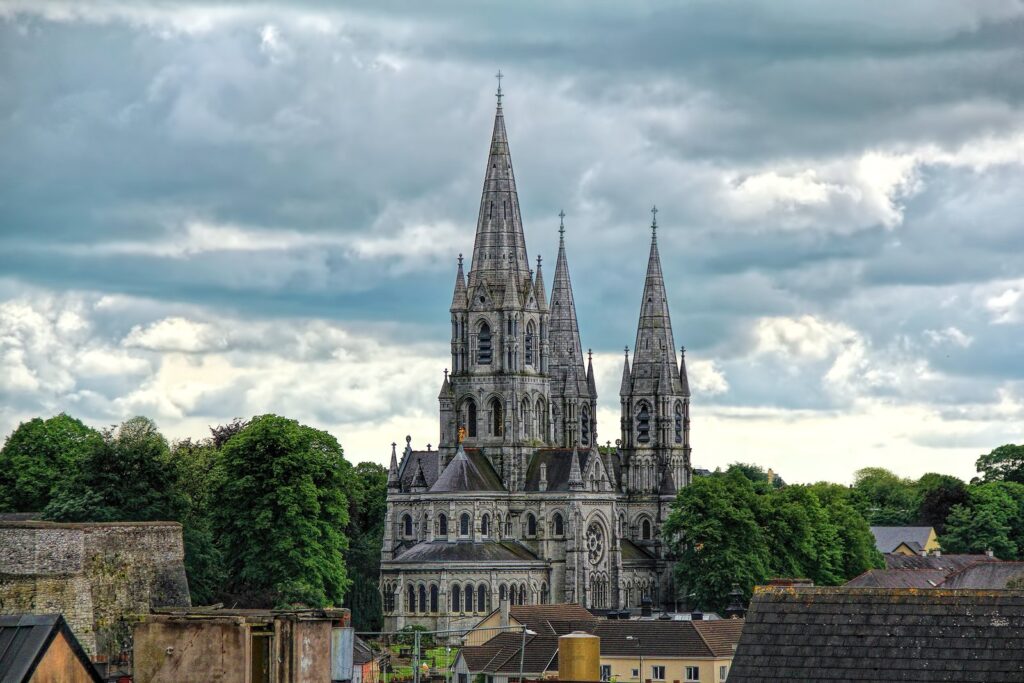
After the market, walk west along Grand Parade to the corner of South Mall and cross the south channel of the Lee. Climb the hill to St. Fin Barre’s Cathedral, a Gothic Revival masterpiece completed in 1879 with three spires visible across the city. The interior holds elaborate stone carving, colorful floor tiles, and a gilded angel said to blow her trumpet when the end of the world comes. Admission is around $8.
Spend the afternoon exploring the lanes between St. Patrick’s Street and Paul Street. The Crawford Art Gallery on Emmet Place is free and worth an hour for its collection of Irish art, including works by Jack B. Yeats and Sean Keating, housed in the old Custom House. Just behind it, Paul Street and French Church Street form Cork’s creative quarter—record shops, vintage clothing, independent bookshops, and the Triskel Arts Centre.
For dinner, book ahead at Ichigo Ichie on Sheares Street if you want Cork’s Michelin-starred Japanese kaiseki experience, or walk in at Market Lane on Oliver Plunkett Street for excellent bistro cooking with Irish ingredients and a lively atmosphere.
Day Two: Shandon, the Docklands, and University
Cross to the north side of the river and climb the hill to Shandon, Cork’s historic working-class neighborhood. The landmark here is St. Anne’s Church, known as Shandon Bells, with its distinctive pepper-pot steeple covered in red sandstone on two sides and white limestone on the others. Pay $8 to climb the tower and ring the bells yourself—choose from a songbook or make up your own tune. The views over Cork’s rooftops and the Lee valley are the best in the city.
Nearby, the Butter Museum on O’Connell Square tells the story of Cork’s 19th-century butter trade, when the city was the world’s largest butter exporter. It’s small, quirky, and surprisingly engaging. Admission is around $5.
Walk back down to the river and head east along the quays toward University College Cork. The campus, founded in 1845, spreads across 44 acres with Tudor Gothic limestone buildings and mature trees. The Honan Chapel on the western edge of campus is a jewel box of Celtic Revival art with stained glass by Harry Clarke.
If you have time, continue east to the Cork Public Museum in Fitzgerald Park, set in a Georgian house with exhibits on Cork’s history from medieval times through the War of Independence. The park itself is lovely for a walk, especially in spring when the magnolias bloom.
For your final evening, settle into a traditional pub. Sin É on Coburg Street near Shandon hosts nightly trad sessions in a tiny, authentic setting. The Franciscan Well on North Mall brews its own beer in a former monastery and has a beer garden that fills on any remotely pleasant evening. Or head to The Idle Hour on MacCurtain Street, an Art Nouveau beauty with stained glass and wood paneling.
Practical Details
Cork is 160 miles southwest of Dublin, about 2.5 hours by car on the M7 and M8. Regular trains run from Dublin’s Heuston Station, taking just under three hours and costing around $50 round-trip. Cork Airport is four miles south of the city with direct flights from several European cities and good bus connections to the center.
Stay in the city center for walkability—anywhere between St. Patrick’s Street and the university puts you within 15 minutes of everything. MacCurtain Street across the river on the north side has good mid-range hotels with easy parking.
Cork works year-round, though the Guinness Jazz Festival in late October and the Midsummer Festival in June bring crowds and require advance bookings. Restaurants in Cork take food seriously—book dinner reservations at least a day ahead, especially Thursday through Saturday.
The city is compact enough that you won’t need a car once you’re here. Everything in this itinerary is walkable, though the hills can be steep. Taxis are easy to find on St. Patrick’s Street and MacCurtain Street.
Beyond the Two Days
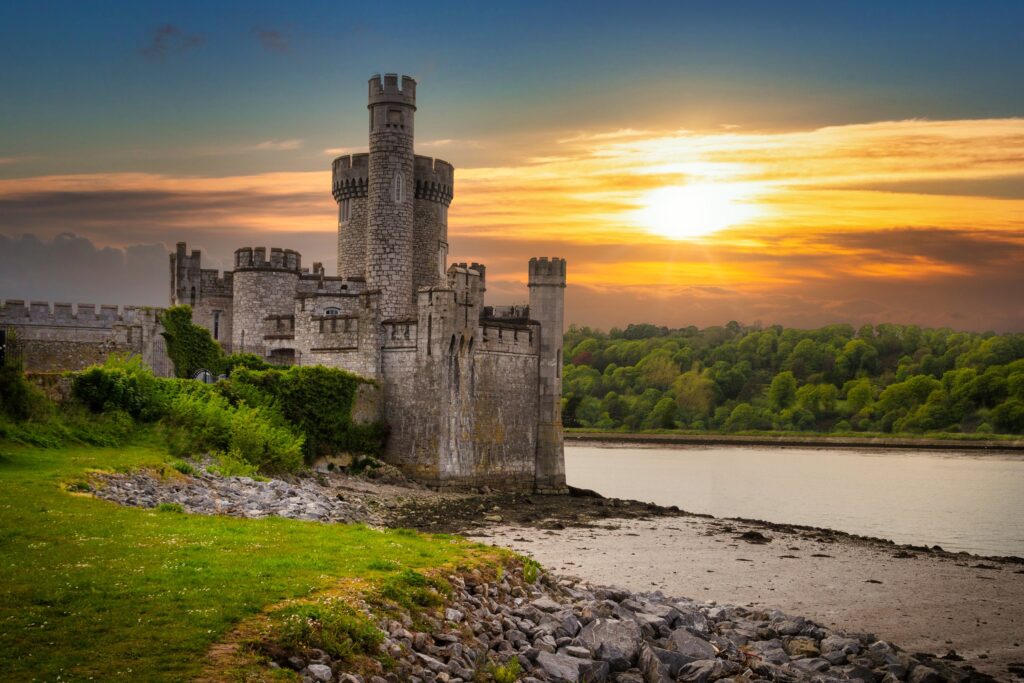
If you’re extending your stay, Cork makes an excellent base for day trips. Blarney Castle is 15 minutes northwest, Kinsale’s colorful harbor town is 25 minutes south, and Cobh—the Titanic’s last port of call—is 30 minutes east by car or train. The city also sits at the start of the southwest coast, with the Wild Atlantic Way stretching west toward Bantry, Beara, and Kerry.
Cork rewards visitors who take their time. This isn’t a city of must-see sights you tick off a list—it’s a place to wander, eat well, listen to music, and feel the rhythm of a city that’s never been in anyone’s shadow.
Want more stories like this delivered to your inbox? Subscribe to The Ultimate Ireland Travel Guide newsletter—one short story a day to help you discover Ireland beyond the guidebooks.