
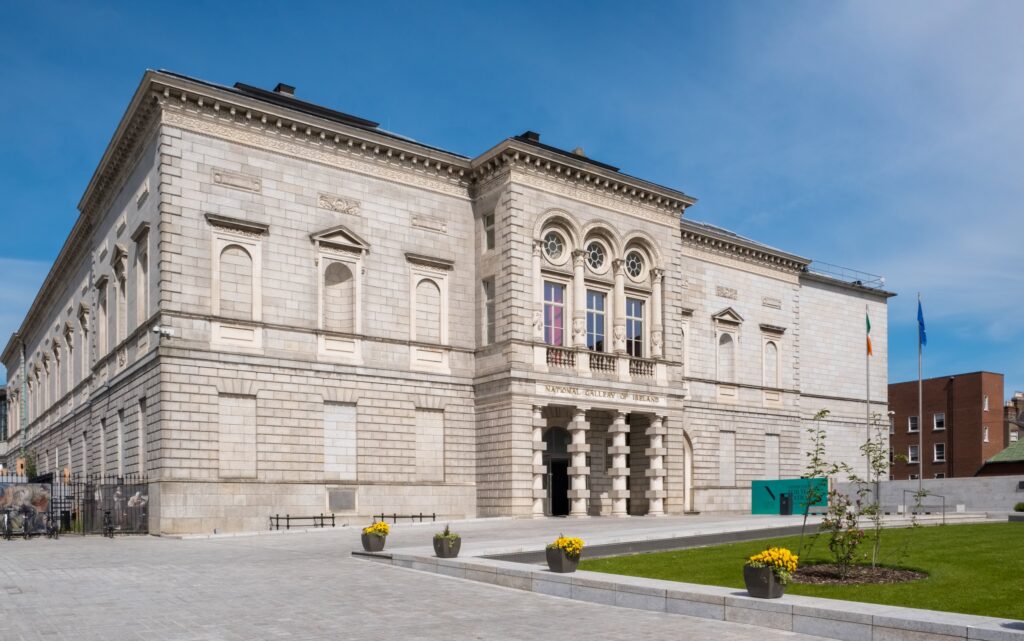
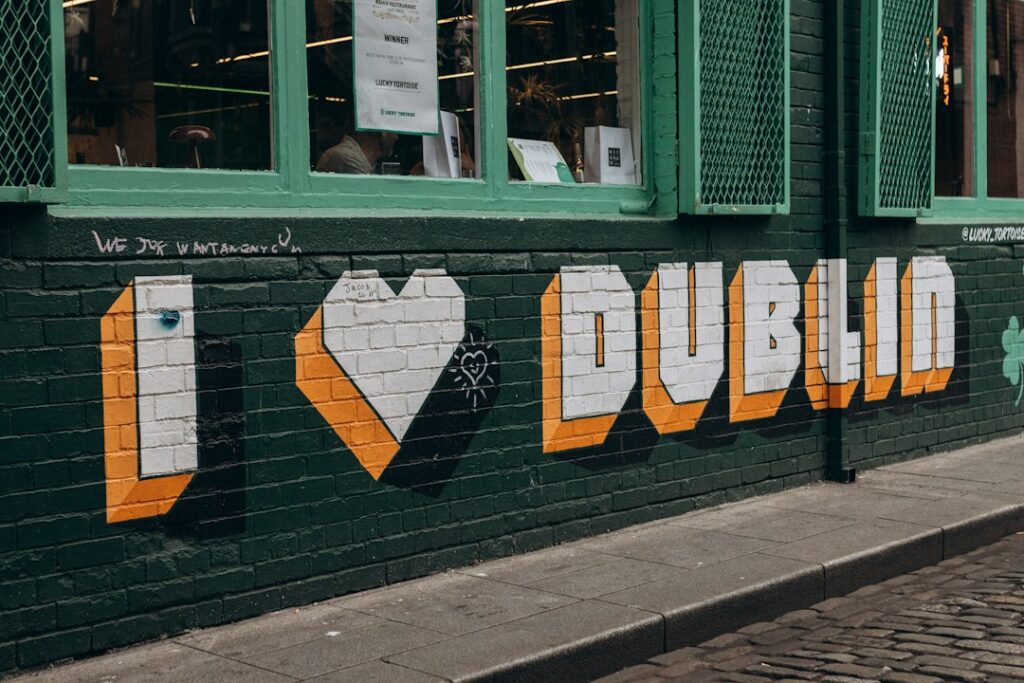
Dublin‘s city center is thick with restaurants aimed squarely at tourists—overpriced, underwhelming, and packed with people who’ll never return. But step a few blocks off O’Connell Street or Dame Street, and you’ll find the places Dubliners actually eat: neighborhood spots serving proper Irish breakfasts, bistros with daily-changing menus, and markets where the ingredients come from farms within an hour’s drive.
This is where to eat in Dublin when you want the real thing.
Stoneybatter and Smithfield: Dublin’s Best Neighborhood Eats
Stoneybatter, just northwest of the city center, has become Dublin’s most exciting food neighborhood without losing its local character. Bastible on South Circular Road is the anchor—a small, seasonal restaurant where chef Barry Fitzgerald cooks vegetables from Irish farms and serves them alongside line-caught fish and dry-aged beef. Expect dishes like charred leeks with hazelnuts or roast cod with fermented turnip. Mains run $28–$38, and you’ll need to book ahead.
Around the corner, Oxmantown does natural wine and small plates in a cozy, candlelit room. The menu changes daily, but count on things like smoked mackerel pâté, lamb tartare, or roasted carrots with whipped feta. Plates are $10–$16, perfect for grazing with a glass of something unusual.
For breakfast or lunch, Foam Café on Blackhall Place serves the kind of food you’d make at home if you had better ingredients and more skill—sourdough toast with cultured butter and jam, shakshuka with house-made labneh, or a bacon sandwich on bread baked that morning. Everything’s under $14, and the coffee is excellent.
The Liberties: Markets and Old-School Eateries
The Liberties, one of Dublin’s oldest neighborhoods, runs along Thomas Street and Meath Street southwest of Christchurch. It’s grittier than Stoneybatter, and the food reflects that—honest, unfussy, and often astonishingly good value.
Etto on Merrion Row (technically just outside the Liberties, near St. Stephen’s Green) is a tiny Italian restaurant with a Dublin soul. Chef and owner Eithna Daly buys from the same suppliers as the city’s Michelin-starred spots but charges a fraction of the price. Handmade pasta runs $18–$22, and the wine list is full of small producers. No reservations for parties under four, so come early or expect to wait.
On Saturday mornings, head to the Iveagh Markets on Francis Street, a Victorian-era market hall that’s been restored and now hosts food stalls, vintage clothing, and local craft vendors. Grab a breakfast burrito from one of the rotating vendors, then browse the stalls. It’s open weekends only, 10 a.m. to 6 p.m.
For a proper Dublin chipper, Leo Burdock on Werburgh Street has been frying fish and chips since 1913. The cod is thick and flaky, the batter crisp, and the chips—thick-cut and twice-fried—are what every other chipper aspires to. A single-fish meal is around $12. There’s no seating; take your bag and eat on a bench in Christchurch Park.
Glasnevin and Phibsborough: North Dublin Gems
North of the River Liffey and well beyond the tourist circuit, Glasnevin and Phibsborough offer some of Dublin’s best-value eating. Forno 500 on North Circular Road does Neapolitan pizza in a room that feels more like someone’s living room than a restaurant. Pizzas are $14–$18, the crust is charred and chewy, and the mozzarella comes from a cheesemaker in County Cork.
Cake Café in the Phoenix Park neighborhood (closer to Parkgate Street) serves breakfast and lunch in a bright, plant-filled space. The menu is simple—granola and yogurt, poached eggs on sourdough, daily soups and salads—but everything is made from scratch, often with organic or locally grown ingredients. Mains are $12–$16, and the cakes (baked daily) are worth the trip alone.
For a Sunday roast, The Belfry in Stoneybatter (yes, another Stoneybatter recommendation—it’s that good) serves a traditional three-course Sunday lunch for around $32. Roast beef, lamb, or chicken, all with proper gravy, roast potatoes, and seasonal vegetables. It’s the kind of meal that’ll keep you full until Tuesday.
Practical Tips for Eating in Dublin
Most of these spots don’t take reservations for small parties, so either arrive when they open (common for lunch spots around 12:30 p.m.) or be prepared to wait. Dubliners eat dinner late—restaurants fill up between 7 and 8 p.m., so if you want a table without booking, come at 6 or after 9.
Tipping in Dublin is typically 10–12% for good service, though it’s not mandatory. Many restaurants now add a service charge automatically; check your bill before adding extra.
If you’re planning to eat at several spots over a few days, consider staying in Stoneybatter or Phibsborough rather than Temple Bar. You’ll pay less for accommodation, eat better, and get a genuine sense of how Dubliners actually live.
Want one great meal delivered to your inbox every morning? Subscribe to The Ultimate Ireland Travel Guide newsletter—one short story a day, covering Ireland’s best food, hidden villages, coastal walks, and everything in between.