
Irish soda bread is one of those things that sounds simple until you taste the real version. No yeast, no kneading—just flour, buttermilk, baking soda, and salt. But the difference between a proper loaf and the sweet, raisin-studded imitations you’ll find in some tourist spots is enormous.
The best soda bread in Ireland is still baked in farmhouse kitchens, village bakeries, and country markets. It’s served warm, sliced thick, and spread with salted Irish butter. Here’s where to find it.
Farmhouse Bakeries and Markets
Some of the best soda bread in Ireland comes from small-scale producers who sell at farmers’ markets and farm shops. In Cork, the English Market in the city center has several stalls selling fresh-baked loaves daily—look for the brown soda bread with a deep, nutty flavor from whole wheat flour. O’Connell’s Bakery on the balcony level is a reliable choice.
In County Clare, the Burren Smokehouse in Lisdoonvarna bakes traditional soda bread to accompany their smoked salmon, and you can buy loaves to take away. The combination of the two is about as Irish as breakfast gets.
Up in Donegal, the Ardara Heritage Centre runs a small café where they bake soda bread daily using a recipe that’s been handed down locally for generations. It’s dense, slightly sweet from the buttermilk, and served with homemade jam.
Farmers’ markets are your best bet for variety. The Midleton Farmers Market in County Cork (Saturdays) and the Galway Market on Church Lane (Saturdays and Sundays) both feature multiple bakers, and you can often sample before you buy.
Village Bakeries Worth the Detour
Traditional bakeries are harder to find than they used to be, but a few remain. In Dingle, Siopa Leabhair an Daingin (the local bookshop and café) bakes soda bread fresh each morning and serves it with soups and chowders. It’s the wheaten variety, made with a mix of white and whole wheat flour, and it’s excellent.
In Roundstone, County Galway, the Roundstone Music Crafts & Fashion shop has a small café in the back that serves homemade brown soda bread with their seafood chowder. The loaf is dense, slightly sweet, and still warm at lunchtime.
In Kinsale, the Milk Market Café uses soda bread from a local baker and serves it with their breakfast menu—order it with smoked salmon and scrambled eggs for a proper Irish start to the day.
What to Look For
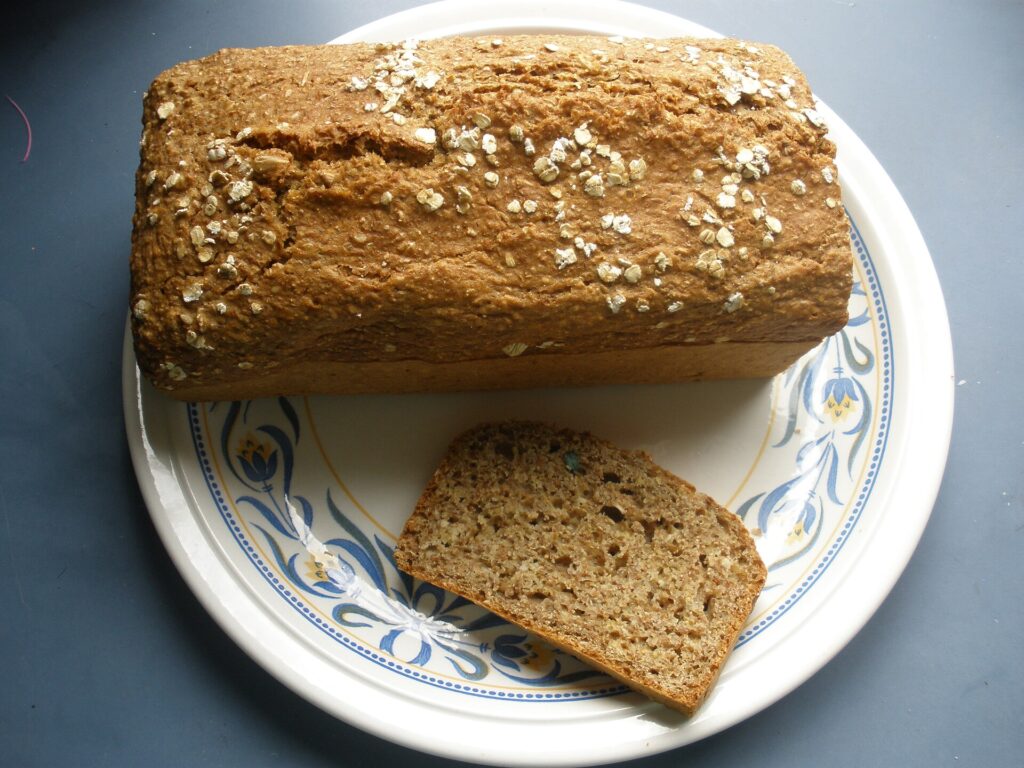
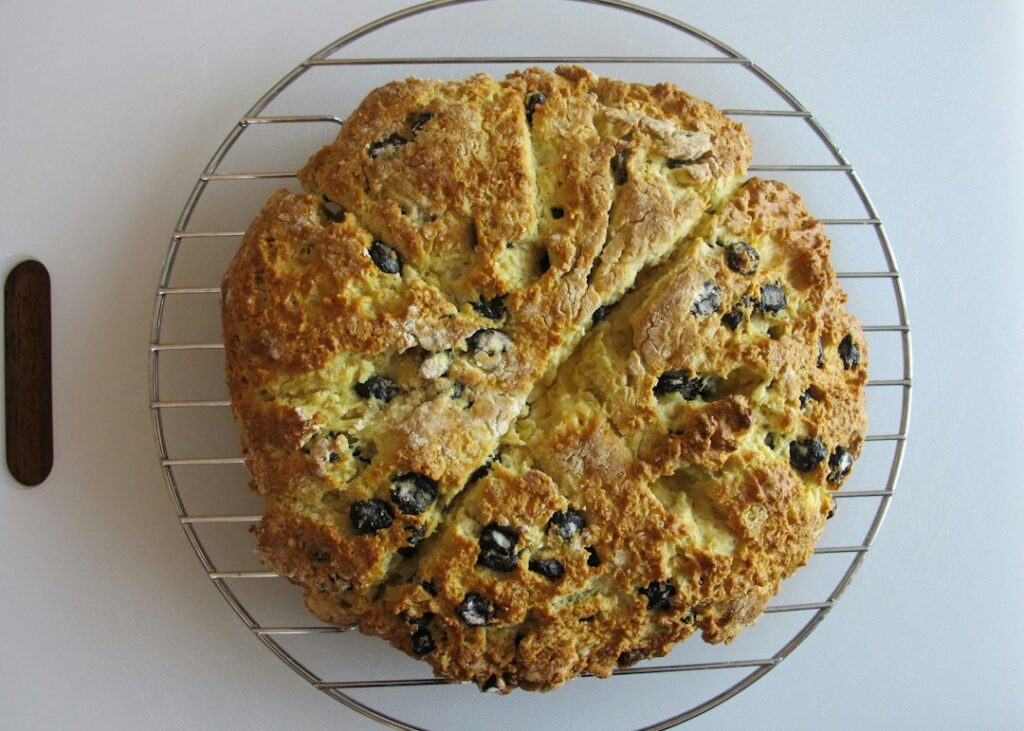
Real Irish soda bread comes in two main styles: white and brown (also called wheaten). The white version is made with all-purpose flour and has a lighter, flakier texture. Brown soda bread uses whole wheat flour and is denser, nuttier, and more filling.
Both should have a slightly rough, cracked top from the cross cut into the dough before baking. The crust should be firm but not hard, and the inside should be moist with a tender crumb. If it’s dry or crumbly, it’s been sitting too long.
Avoid anything labeled “Irish soda bread” that lists sugar, eggs, or caraway seeds in the ingredients. Those are Americanized versions. Raisins are common in some parts of Ireland, but they’re optional and often served as a tea bread rather than with savory dishes.
Price varies, but expect to pay around $4–$6 for a full loaf at a market or bakery. Most places will sell you half a loaf if you’re traveling and don’t want to carry a full one.
Where to Eat It
Soda bread is served at nearly every Irish breakfast, but it’s also common with soups, stews, and smoked fish. Some of the best pairings: brown soda bread with seafood chowder on the west coast, white soda bread with Irish stew in a country pub, and either variety with farmhouse butter and homemade preserves at a B&B breakfast table.
In Dublin, the Woollen Mills on Ha’penny Bridge serves brown soda bread with their full Irish breakfast, and it’s better than most of what you’ll find in the city center. Brother Hubbard on Capel Street bakes their own and serves it with Middle Eastern–influenced dishes that somehow work perfectly.
If you’re staying in a self-catering cottage or guesthouse with a kitchen, pick up a loaf at a market and toast it for breakfast. Spread it with Kerrygold butter and a spoonful of local honey, and you’ll understand why this bread has been a staple here for nearly two centuries.
One short story a day from Ireland—subscribe to The Ultimate Ireland Travel Guide newsletter and never miss a bite.