
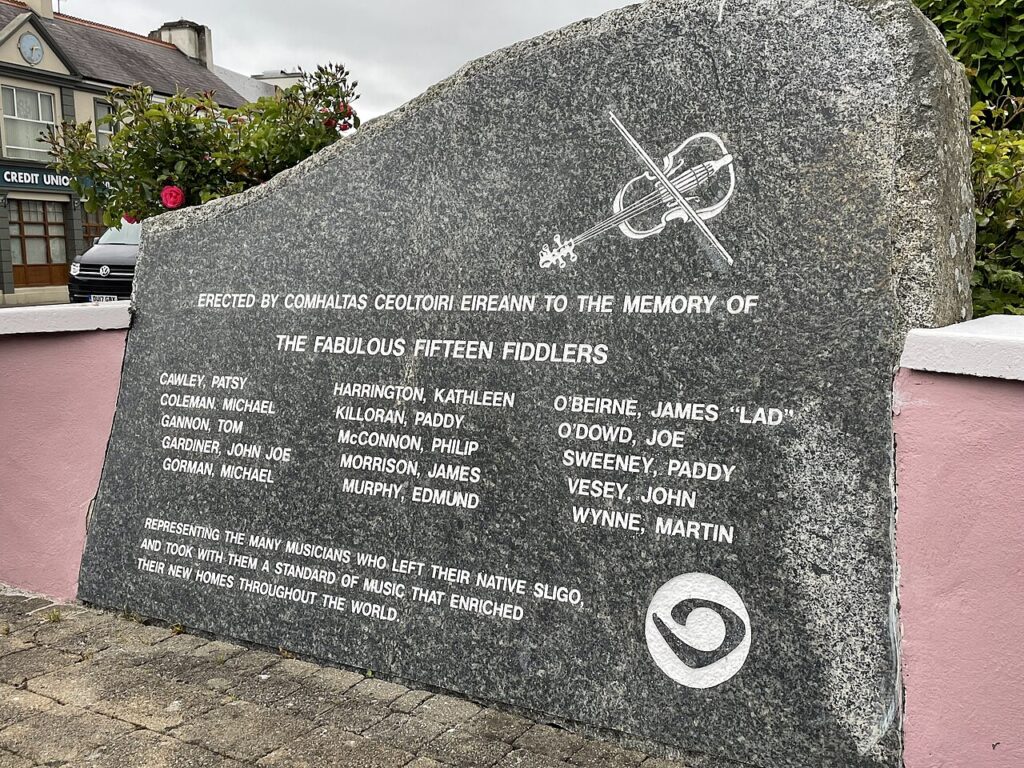
Sligo doesn’t shout about its music the way Doolin or Galway does, but the county has produced more influential traditional musicians per capita than almost anywhere in Ireland. Michael Coleman, the fiddler who shaped Irish music in the early 20th century, came from here. So did the Coleman Irish Music Centre, which still trains players in the Sligo style—fast, ornamented, and unforgiving.
The town’s sessions lean local. You’ll find working musicians, music teachers, and serious amateurs playing tunes they’ve known since childhood, often in pubs that don’t advertise and don’t need to. If you want polished, tourist-friendly entertainment, go elsewhere. If you want to hear what traditional music sounds like when it’s still a living tradition, Sligo delivers.
The Pubs Worth Finding
Hargadon Bros on O’Connell Street is the most atmospheric spot in town—a Victorian-era pub with original mahogany partitions, antique mirrors, and a snug that looks unchanged since 1868. Sessions happen most weekends, sometimes midweek in summer. The music is tight, the crowd is mixed (locals and savvy travelers), and the Guinness is excellent. Arrive early if you want a seat near the musicians.
Shoot the Crows on Grattan Street hosts Wednesday and Saturday sessions that draw serious players. It’s a small, narrow pub with good acoustics and zero pretense. Expect fiddles, flutes, and bodhrán, with the occasional uilleann pipes. The bartenders know the regulars by name, and the music starts around 9:30 p.m.
Furey’s on Bridge Street is another local favorite, especially for Sunday afternoon sessions. The space is cozy, the welcome is warm, and the musicians range from teenagers learning their reels to sixty-year veterans who’ve been playing together for decades. It’s the kind of place where a tune can stretch into ten minutes of variations, and nobody minds.
The Coleman Irish Music Centre
If you’re in Sligo on a weekday, stop by the Coleman Irish Music Centre on Teeling Street. Named for Michael Coleman, it’s a small museum, teaching facility, and archive dedicated to the Sligo style of fiddle playing. The center hosts occasional concerts and recitals—check their schedule before you visit. Entry is usually around $5, and the staff are knowledgeable about the local music scene and happy to point you toward that night’s best session.
The Coleman legacy runs deep here. His 1920s recordings in New York influenced generations of players, and his technique—rapid bow work, intricate ornamentation, a driving rhythm—became synonymous with Sligo fiddling. You’ll hear echoes of it in nearly every session in town.
When to Go and What to Expect
Traditional sessions in Sligo happen year-round, but summer brings more frequent music and a livelier atmosphere. Weekends are your best bet, though Wednesday sessions at Shoot the Crows are reliable. Music typically starts between 9 and 10 p.m. and can run past midnight if the session catches fire.
Don’t expect a stage or a setlist. Musicians sit in a circle or corner, and tunes emerge organically—someone starts a reel, others join in, and the group plays through several sets before pausing for a drink and a chat. Applause is polite and brief. Talking during the music is frowned upon. If you want to record, ask first.
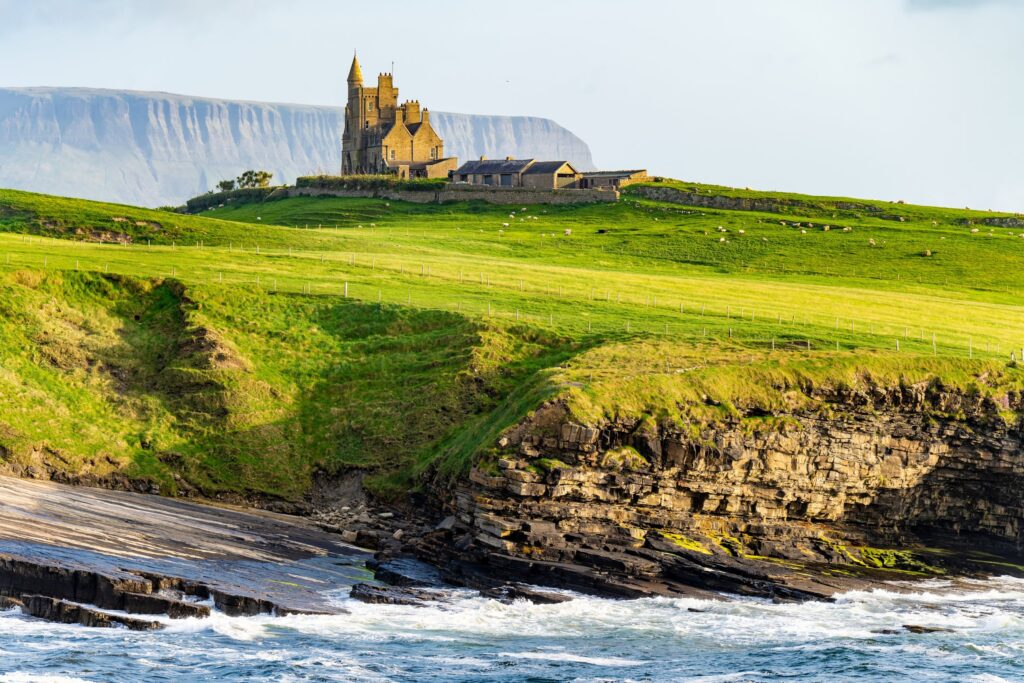
Sligo Town itself is small and walkable. You can cover the main pubs on foot in ten minutes, though you’ll want to linger longer once you find a session. The town sits at the base of Benbulben, W.B. Yeats country, and makes a good base for exploring north Sligo, Donegal, and the Atlantic coast.
Practical Details
Sligo is two and a half hours northwest of Dublin by car via the M4 and N4, or three hours by bus. Parking in town is easy—there are several pay-and-display lots near O’Connell Street. If you’re driving the Wild Atlantic Way, Sligo sits roughly halfway between Galway and Donegal, making it a natural overnight stop.
Most pubs don’t charge a cover for traditional sessions. Buy a drink, settle in, and listen. Tipping musicians isn’t expected, but if there’s a collection jar on the table, a few dollars are appreciated.
For accommodations, stay in town if you want to walk back to your room after a late session. The Glasshouse and The Clayton are both central and comfortable, with rates around $120 to $180 per night depending on the season.
Sligo’s music scene is understated, rooted, and real. You won’t find tour buses or souvenir menus, just locals playing tunes they’ve carried for decades. If that’s what you came to Ireland for, you’ll find it here.
Want more stories like this? Subscribe to The Ultimate Ireland Travel Guide newsletter—one short story a day, straight to your inbox.