

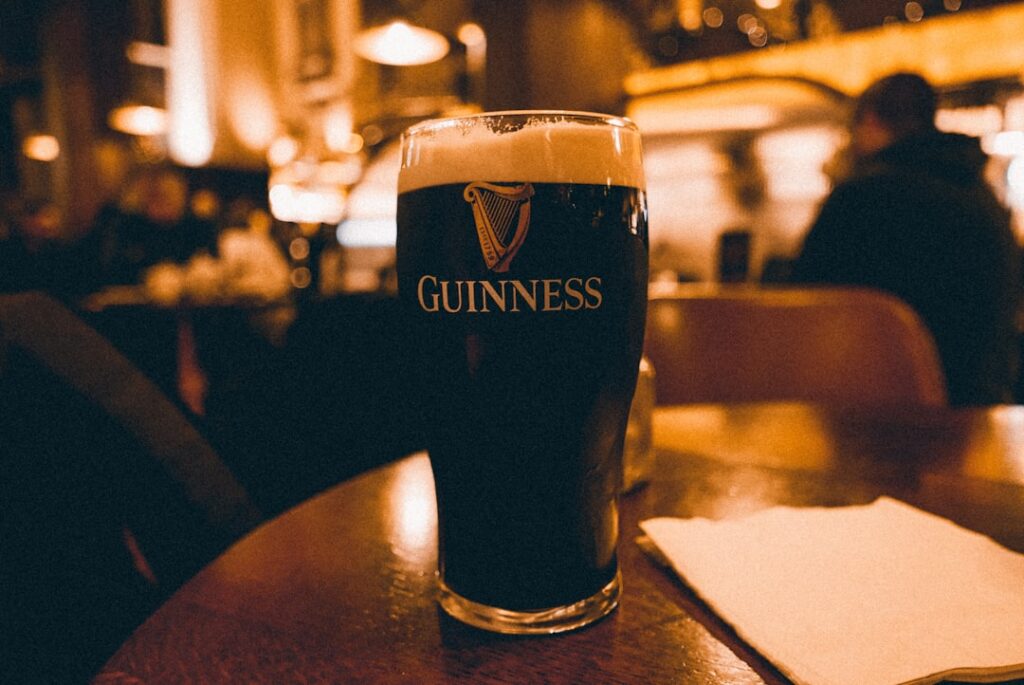
Guinness stew isn’t just tourist bait. When it’s done right—beef shin or chuck braised for hours in stout with root vegetables, thyme, and a dark, silky gravy—it’s one of the finest things you’ll eat in Dublin. The trouble is knowing where to find it.
Plenty of pubs will serve you a rushed, watery version heated from a bag. The bowls worth seeking out are slow-cooked, rich, and served with doorstep slices of soda bread to soak up every bit of that gravy.
The Brazen Head: Dublin’s Oldest Pub
The Brazen Head, dating to 1198, is Ireland’s oldest pub, and its Guinness stew has been on the menu for decades. The beef is tender, the gravy thick and malty, and it arrives in a deep bowl with mash and soda bread on the side. It’s hearty, unfussy, and exactly what you want after a day walking the city.
The pub sits on Lower Bridge Street near Christ Church Cathedral, a short walk from Temple Bar but far enough removed to feel authentic. Go midweek if you can—weekends get packed. Expect to pay around $18 for the stew. They don’t take reservations for the bar, but the upstairs dining room does if you’re planning dinner.
The Winding Stair: Literary and Local
The Winding Stair overlooks the Ha’penny Bridge on Lower Ormond Quay, and its Guinness stew leans more refined without losing its soul. The beef is braised until it falls apart, the vegetables are seasonal, and the presentation is careful—this is stew with a linen napkin.
It’s a restaurant rather than a pub, so the atmosphere is quieter, more intimate. The building used to house a famous bookshop, and shelves of Irish literature still line the walls. Reservations are essential, especially for a window seat. The stew runs about $22, and it’s worth pairing with a pint of Guinness or a glass of Irish red.
Gallagher’s Boxty House: Stew and Tradition in Temple Bar
Gallagher’s Boxty House on Temple Bar is known for boxty—Irish potato pancakes—but their Guinness stew holds its own. It’s served in a cast-iron pot, rich and dark, with chunks of beef that have been cooking since morning. The soda bread here is baked in-house daily, still warm when it arrives.
Temple Bar gets a bad rap for being touristy, and much of it is, but Gallagher’s has been family-run since 1992 and hasn’t cut corners. The stew costs around $20, and the service is warm and efficient. It’s a solid choice if you’re already in the area and want something dependable.
The Woollen Mills: Modern Irish Above the Liffey
The Woollen Mills sits across from the Ha’penny Bridge on Lower Ormond Quay, in a building that once housed a textile factory. The menu is modern Irish, and the Guinness stew strikes a balance—traditional in spirit, contemporary in execution. The beef is local, the stout is fresh, and the vegetables are cut with care.
It’s a three-story spot with a relaxed vibe, and the ground-floor café serves excellent coffee and pastries if you’re not ready for a full meal. The stew is available at lunch and dinner, priced around $21. They take walk-ins, but booking ahead on weekends is smart.
What to Look For
Good Guinness stew takes time. The beef should be falling apart, not chewy. The gravy should coat the back of a spoon, dark and glossy from hours of reduction. Root vegetables—carrots, parsnips, onions—should be soft but not mushy, and the soda bread should be fresh, with a dense crumb and a slight tang.
Avoid anywhere advertising “traditional Irish stew” on a laminated menu outside. The real thing doesn’t need to shout. Ask locals, check if the pub or restaurant bakes its own bread, and trust your nose—you’ll smell it simmering from the doorway.
When to Go
Guinness stew is a cold-weather dish, best eaten between October and March when Dublin’s damp chill seeps into your bones. Lunchtime is ideal—portions are generous, and you’ll want to walk it off afterward along the Liffey or through St. Stephen’s Green.
Most of these spots serve stew year-round, but it tastes better when rain is tapping the windows and a fire is going in the corner.
Looking for more honest takes on where to eat, stay, and explore in Ireland? Subscribe to The Ultimate Ireland Travel Guide newsletter—one short story a day, straight to your inbox.