
Ireland’s farmhouse cheese movement began in earnest in the 1970s, when a handful of pioneering producers started making handcrafted wheels in kitchens and barns across Munster. Today, that cottage industry has matured into one of Europe’s most exciting cheese scenes, anchored by award-winning creameries that welcome visitors, run tastings, and sell directly from the farm gate.
If you’re serious about tasting Irish cheese where it’s made, two names stand above the rest: Cashel Blue from County Tipperary and Durrus from West Cork. Both are available nationwide, but visiting the source adds context, flavor, and a chance to meet the people behind the wheels.
Cashel Blue: Tipperary’s Creamy Pioneer
Cashel Blue was Ireland’s first farmhouse blue cheese, created by Jane and Louis Grubb on their farm at Beechmount, near Fethard in County Tipperary, in 1984. The cheese is still handmade there today by their son Geoff, using milk from the family’s Friesian herd that grazes the Golden Vale’s rich pastures.
The result is a creamy, gentle blue with none of the sharpness you find in Roquefort or Stilton. It’s buttery, slightly sweet, and develops more complexity as it ages. You’ll see it on menus across Ireland, but tasting it at Beechmount—where the wheels age in temperature-controlled rooms and the cows graze just outside—gives you the full picture.
The farm is about 10 miles south of Cashel town, just off the R692. Visits are by appointment only, typically arranged through their website or by phone. Expect to spend 30 to 45 minutes touring the dairy, hearing the story, and tasting several ages of the cheese alongside crackers and local honey. They also sell direct from the farm shop, where you can pick up whole wheels, wedges, or their newer washed-rind variety.
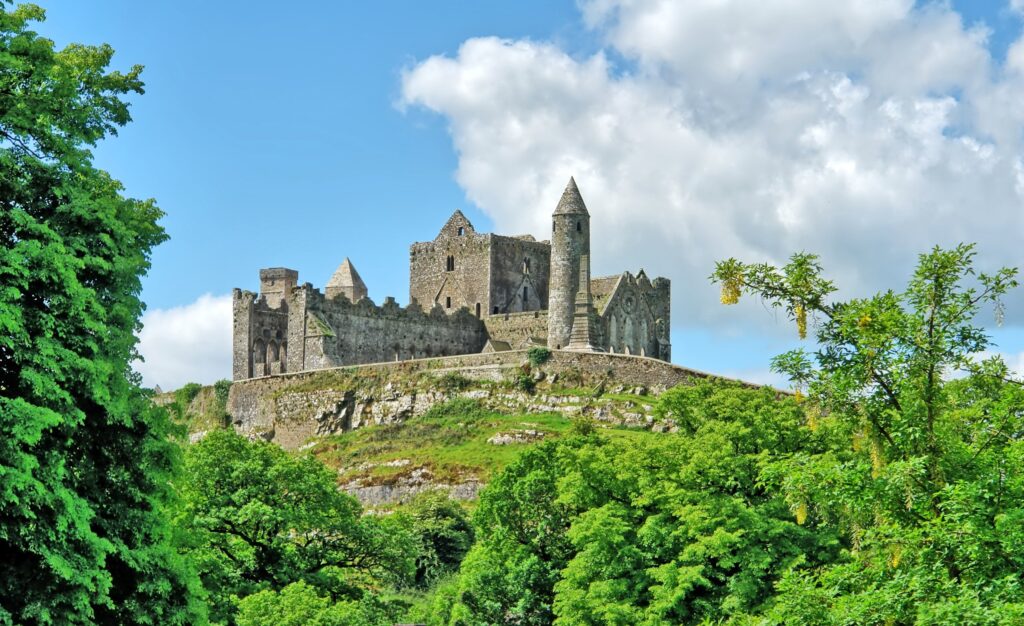
If you’re staying nearby, base yourself in Cashel town to visit the Rock in the morning and Beechmount in the afternoon. The drive from Kilkenny takes 40 minutes; from Cork, about an hour.
Durrus Cheese: West Cork’s Coastal Classic
Durrus is a washed-rind, semi-soft cheese made by Jeffa Gill on her farm near the village of Durrus, between Bantry and the tip of the Sheep’s Head Peninsula in West Cork. She’s been making it since 1979, using raw milk from neighboring farms and traditional methods that haven’t changed in nearly 50 years.
The cheese has a pink-orange rind (washed in brine as it matures) and a creamy, earthy interior that tastes of the Atlantic air and wild grasses. It’s pungent but not overpowering, with a texture that ranges from firm when young to oozy and rich after a few months.
Jeffa runs occasional open days and farm tours during the summer, usually advertised on social media or through the local tourism office in Bantry. Even if you can’t tour the creamery, you can buy Durrus at several shops in the area: try the Durrus Village Shop, the Bantry Friday market, or Field’s Supervalu in Skibbereen, where the cheese counter stocks a dozen West Cork farmhouse varieties.
The village of Durrus itself is tiny—a crossroads with a shop, a church, and a handful of houses—but it’s beautifully located for exploring the peninsulas. It’s 15 minutes from Bantry, 30 from Glengarriff, and an hour from Kenmare if you’re driving the Beara Peninsula loop.
Where Else to Taste Irish Farmhouse Cheese
If you’re building a cheese-focused itinerary, add these stops:
- Sheridans Cheesemongers in Galway city and Dublin (Anne Street South) stock the best selection in the country, with knowledgeable staff who’ll build you a tasting plate and vacuum-pack wheels for travel.
- Gubbeen Farmhouse near Schull in West Cork makes a washed-rind cow’s milk cheese and smoked meats. They run a small shop and cafe on the farm, open most days in summer.
- Coolea Cheese near Macroom in West Cork produces a Gouda-style aged cheese with a caramel sweetness. You can buy direct from the farm shop.
- Ardsallagh Goat Farm near Carrigtwohill in East Cork offers tours, tastings, and a farm shop stocked with fresh chèvre, feta, and yogurt.
Most farmhouse producers sell at farmers’ markets on weekends—check the schedule for Midleton, Skibbereen, Bantry, and Mahon Point in Cork city. Prices run $8 to $15 per wedge, depending on size and age.
When to Visit and What to Bring Home
Cheese farms are working operations, so summer and early fall offer the best chance for tours and open hours. Always call or email ahead, especially outside July and August.
If you’re flying home, vacuum-sealed wedges travel well in checked luggage. Hard and aged cheeses (like Coolea or mature Cashel Blue) are your safest bet. Soft, washed-rind varieties like Durrus are harder to transport but worth the effort if you’re heading home within a day or two.
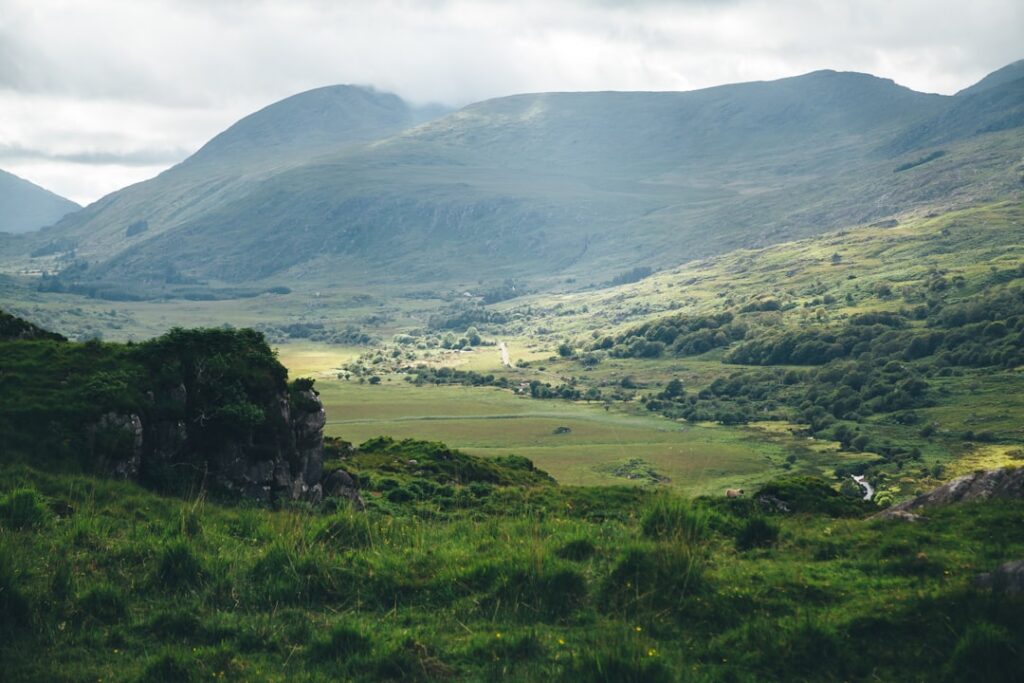
Pair your cheese route with stops at nearby landmarks: the Rock of Cashel and Hore Abbey in Tipperary, or the Sheep’s Head Peninsula and Mizen Head in West Cork. Both regions reward slow travel and detours down narrow lanes that end at farm gates, stone circles, and views that stretch to the horizon.
Want one short Ireland story in your inbox every day? Subscribe to The Ultimate Ireland Travel Guide newsletter and we’ll send you the best of the island, one bite at a time.